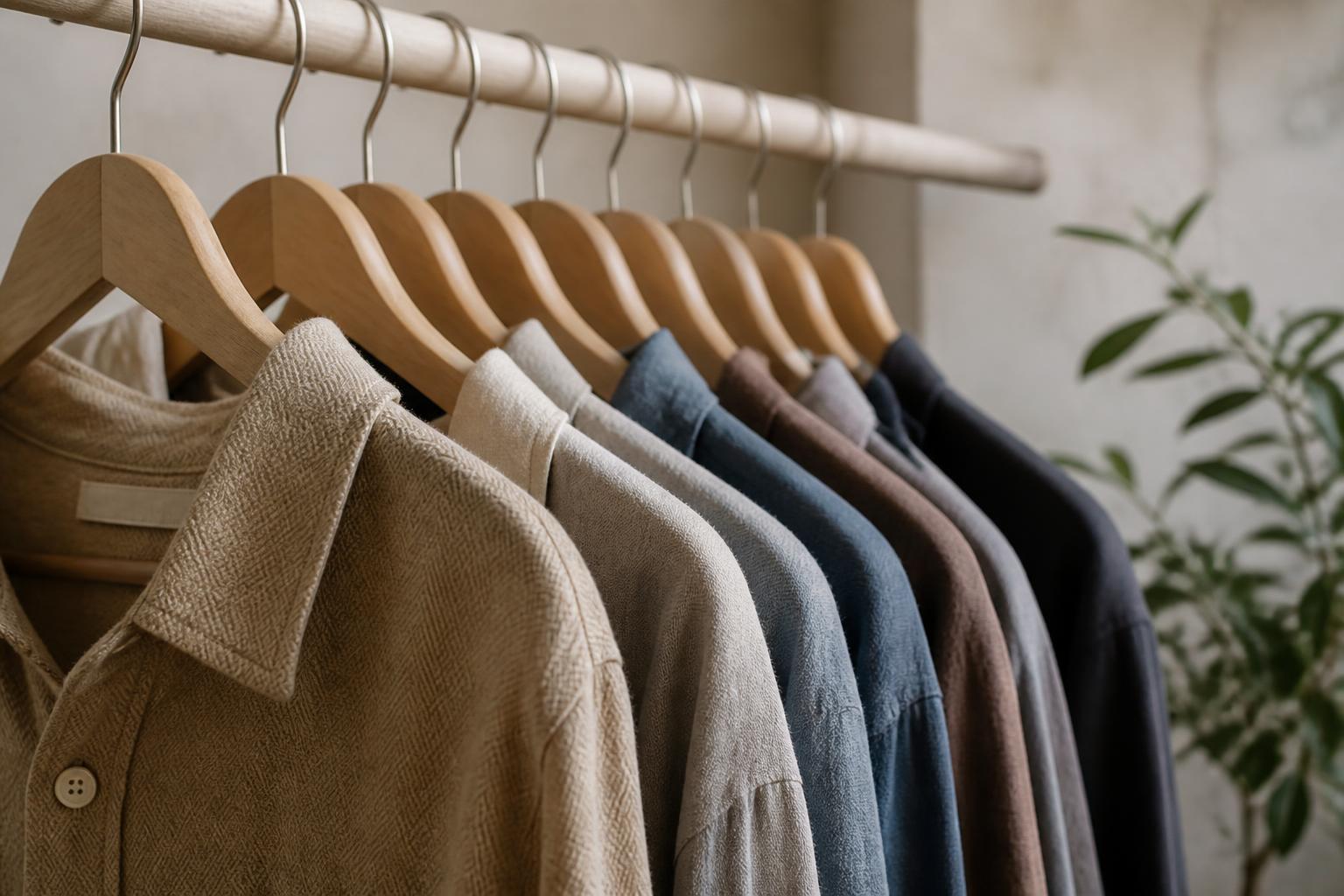
Judging fashion ethics in the UK means looking past the mood board and into the evidence. A good product page can tell you a useful story about materials, makers and aftercare. A weak one usually relies on broad words such as conscious, sustainable or responsible, without saying what was changed, where, and according to which standard.
For UK readers, the most reliable approach is to separate the question into parts. Labour conditions are not the same as fibre impact. Animal welfare is not the same as chemical management. A recycled claim is not the same as traceability. Once we split those issues apart, ethical fashion in the UK becomes much easier to assess calmly, whether we are buying a coat, comparing wedding bands, or sourcing for a small label.
What ethical fashion means in a UK buying context
In a UK buying context, ethical fashion usually covers four areas.
First, labour. This includes wages, working hours, health and safety, freedom of association, grievance procedures, and the use of temporary, migrant or home-based labour. For a UK brand, labour questions can apply both overseas and domestically. A garment labelled Made in UK is not automatically ethically made. We still need to know who cut and sewed it, whether work was subcontracted, and what checks were carried out.
Second, environmental impact. This covers fibre production, land use, water use, dyeing and finishing chemicals, wastewater, energy, climate emissions, waste, durability and end-of-life. No material is impact-free. The useful question is not whether a brand has found a perfect fabric, but whether it can explain the main trade-offs and show what it has done to reduce them.
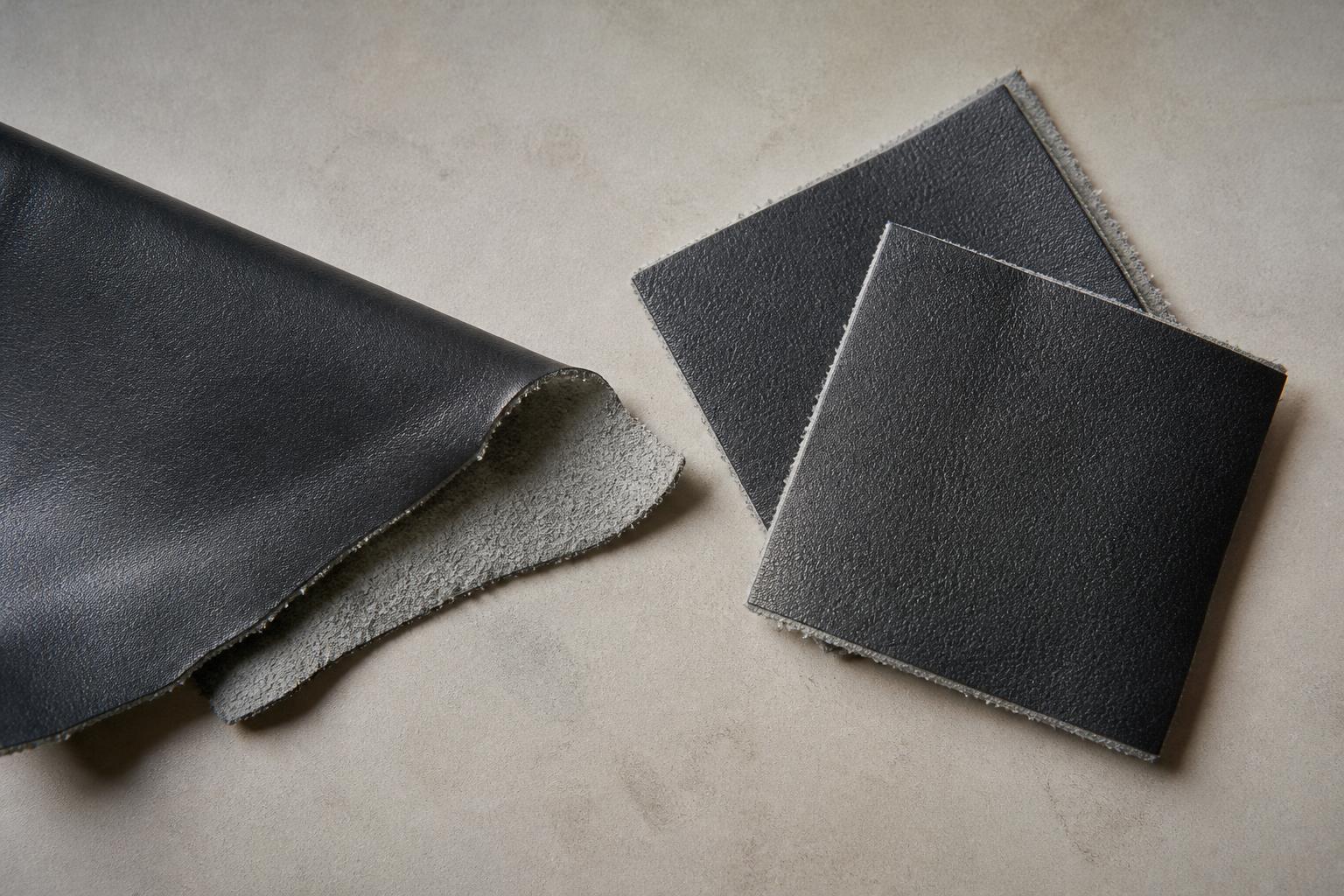
Third, animal welfare. This matters for wool, cashmere, alpaca, leather, silk, down and any animal-derived trim or adhesive. Welfare claims need to address farming and handling practices, not just whether a material is natural or traditional. Leather also raises separate questions about traceability, tanning chemistry and whether hides are treated as a by-product or a driver of production.
Fourth, business transparency. This is often the difference between a credible claim and a vague one. Can the brand identify the factory? Does it state the country where spinning, weaving, dyeing and assembly took place? Does it publish supplier standards or a modern slavery statement where relevant? Does it explain what a certification covers, and what it does not?
In the UK, we also need to keep legal context in mind. Since Brexit, some product rules and due diligence expectations no longer map neatly onto EU language. Brands selling in both markets may refer to EU rules, but UK readers should check what applies here and whether the claim is about legal compliance, voluntary certification, or internal policy.
Which claims deserve scrutiny before you trust them
Some of the most common brand words are also the least informative.
Conscious is a good example. It sounds positive, but it has no fixed legal meaning for clothing. If a brand uses it, we should expect an explanation of what changed. Did it switch to certified organic cotton, reduce virgin polyester, publish factory names, or improve repairability? If none of that is clear, the word is just styling.
Responsible has the same problem. Responsible to whom, and on what basis? A responsible wool claim could refer to animal welfare, land management, mulesing policy, or all three. A responsible jewellery claim could mean recycled metal, conflict screening, or audited refining. The word only becomes useful when paired with evidence.
Recycled deserves careful reading. Recycled content can be pre-consumer or post-consumer. Those are not the same. Pre-consumer often means factory offcuts or production waste. Post-consumer means material recovered after use. Both can reduce demand for virgin inputs, but they tell different stories. We should also look for the percentage. A bag described as made with recycled polyester may contain a small proportion unless the brand states otherwise.
Natural is another slippery word. Natural fibres are not automatically low impact, biodegradable in real-world conditions, or socially responsible. Conventional cotton can involve intensive pesticide use. Viscose is plant-derived but chemically processed. Wool is renewable, but methane, land use and welfare still matter.
Carbon neutral claims need especially close scrutiny. If a fashion brand says a product or delivery is carbon neutral, we should ask whether emissions were actually reduced or mainly offset. We have covered this in more detail in our guide to spotting carbon offsetting claims that mislead. In the UK, broad environmental claims are increasingly exposed to challenge if they omit important context.
A practical evidence standard is simple. Look for specifics in four categories. Material composition, place of manufacture, named certification, and what exactly the claim covers. If a brand cannot tell us those basics, trust should be limited.
How to compare fibres without oversimplifying them
Fibre comparisons often go wrong because they flatten unlike impacts into a single verdict. A better approach is to compare materials issue by issue.
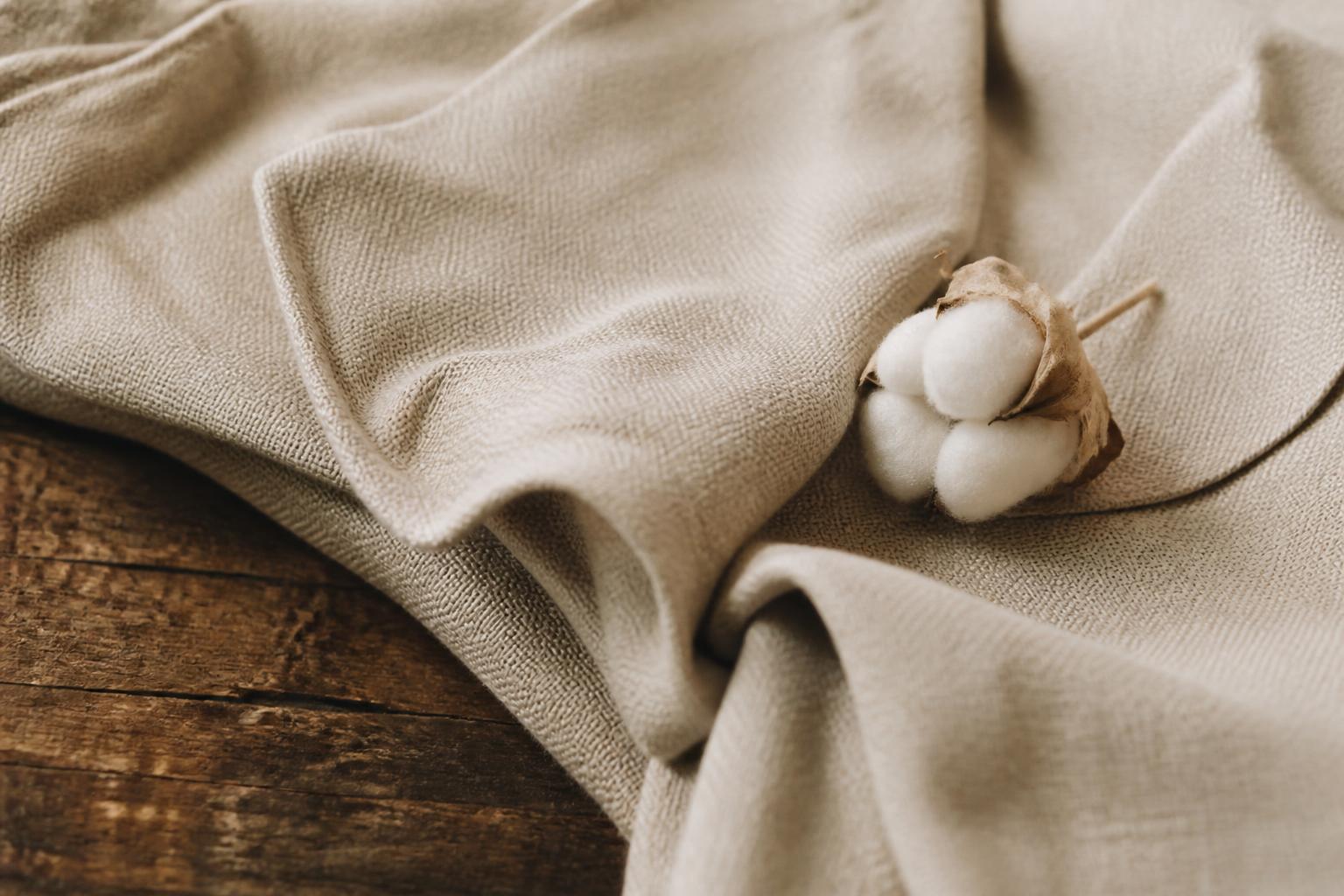
Cotton is familiar, breathable and versatile, but conventional cotton can involve high pesticide and fertiliser use, plus water stress in some growing regions. It is not enough to say cotton is bad or good. We need to know where it was grown, how, and what the finished product is designed to do.
Organic cotton reduces some of the biggest concerns linked to conventional cotton, particularly synthetic pesticide and fertiliser use under certified standards. That matters. But organic cotton is not impact-free, and it does not tell us anything by itself about dyeing, worker treatment in garment assembly, or transport. It is a stronger claim than generic cotton, but not a complete ethical answer.
Recycled fibres can reduce demand for virgin raw materials and divert some waste from disposal. Recycled cotton often has shorter fibres and may be blended for strength. Recycled polyester can make use of existing plastic feedstocks, but it does not solve microfibre shedding during wear and washing. It can also create a circularity impression that exceeds reality if garments are still difficult to recycle again.
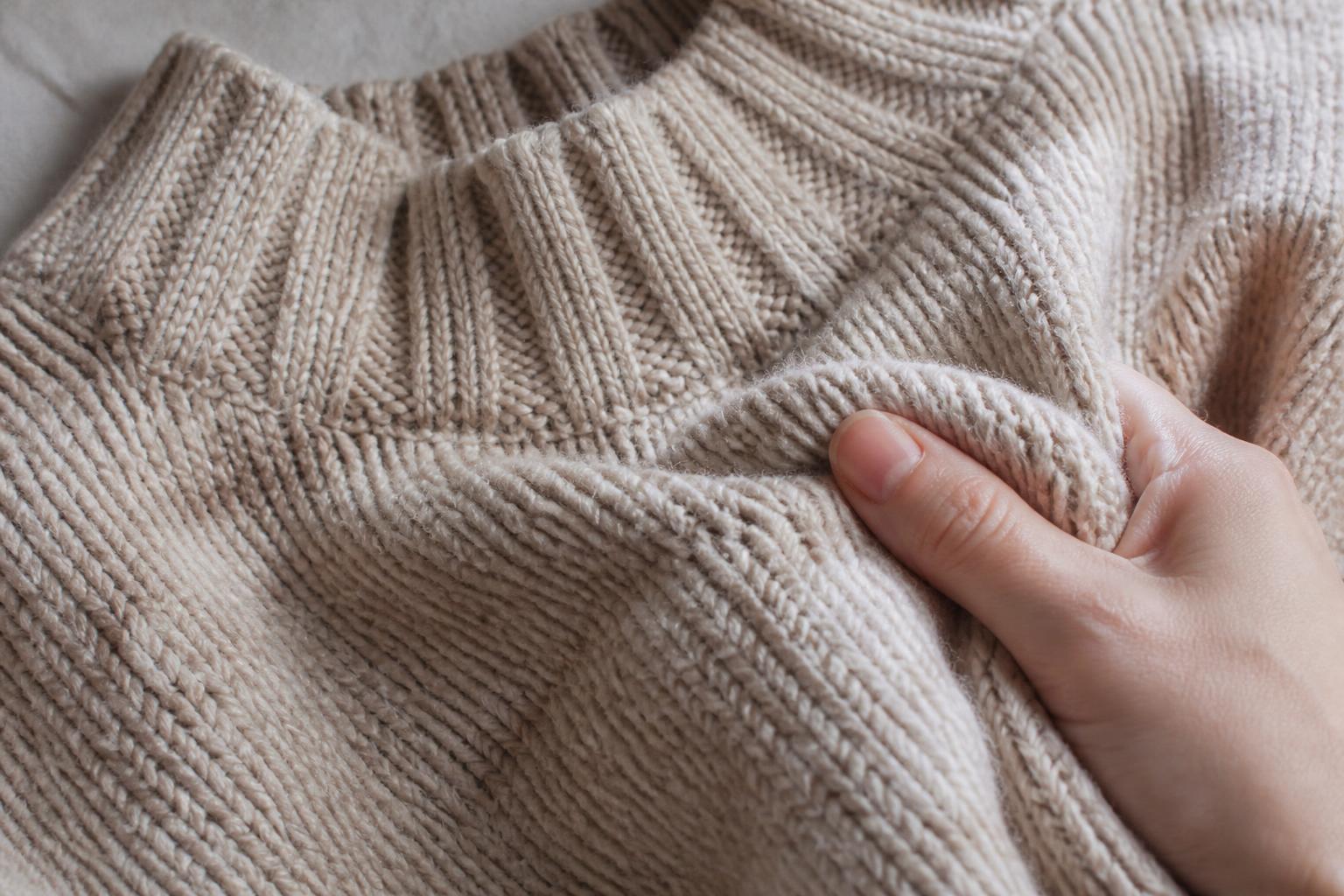
Wool is durable, repairable and can perform extremely well in use, especially if it replaces frequent washing or short-lived synthetics. But welfare, land management and traceability are central. Claims about non-mulesed wool, regenerative grazing or responsible sourcing should be backed by a recognised scheme or direct farm-level evidence. Country of origin matters here, because welfare practices vary.
Leather is hard to summarise neatly. It can be durable and long-wearing, which matters for shoes, bags and belts. Yet it also raises animal welfare and tanning chemistry questions, and traceability can be poor. Calling leather a by-product does not remove those concerns. We should ask what species it is, where the hide came from, which tannery processed it, and whether chrome tanning or vegetable tanning was used. Even then, vegetable tanned does not automatically mean low impact or non-toxic in every stage.
Viscose, modal and lyocell all sit in a confusing middle ground. They are cellulosic fibres made from plant material, but processing methods differ. The key questions are whether the wood pulp is from lower-risk sources, whether ancient or endangered forests are excluded, and how solvents and wastewater are managed. Lyocell is often presented as the cleaner option because of its solvent system, but brand claims still need evidence about sourcing and processing.
Synthetics such as polyester, nylon and acrylic offer durability, stretch and technical performance, but they are fossil fuel-based unless recycled, and they can shed microfibres. For activewear and outerwear, performance needs may justify their use. The ethical question then becomes whether the brand has chosen them carefully, limited unnecessary blends, designed for longevity, and given realistic care guidance.
The point is not to rank every fibre from saintly to sinful. It is to ask the right question for the product in front of us. A hard-wearing rain jacket, a fine merino knit and a viscose party dress do not have the same use pattern, lifespan or sourcing risks.
What certifications can and cannot tell you
Certifications are useful, but only if we understand their scope.
For fibres, GOTS is one of the clearest examples. It applies to organic fibres and also includes processing criteria and social requirements at certified facilities. That is stronger than a simple organic fibre claim. But it still does not mean every part of a supply chain is perfect, and it only covers what falls within the certification scope.
For recycled content, standards such as GRS and RCS are commonly cited. These can help verify recycled input and chain of custody. GRS also includes some social and environmental processing criteria. What they do not do is prove that a product is low impact overall, or that it is readily recyclable at end of life.
For chemicals, OEKO-TEX STANDARD 100 is often misunderstood. It tests for harmful substances in the final product. That matters for consumer exposure, but it is not a full environmental certification for the whole supply chain. Bluesign addresses chemical management more broadly at process level, which is useful, but again it is not a complete labour or climate standard.
For social conditions, SA8000 and Fair Wear Foundation membership can offer meaningful signals, but they are not interchangeable and they do not certify a whole brand in the same way as a fibre label. We should read what site, supplier or process is actually covered.
For animal fibres, schemes such as Responsible Wool Standard and Responsible Down Standard address specific welfare and traceability criteria. They can be valuable, but they do not cover every environmental issue or every social issue in the final garment supply chain.
Jewellery needs its own lens. Recycled precious metal claims, conflict screening, mine of origin statements and chain-of-custody documentation all matter, but they are not the same thing. If you are weighing precious metals, gemstones and provenance claims, our guide to judging responsible jewellery sourcing in the UK sets out what to ask.
A certification is best treated as one piece of evidence. If a brand uses it as a substitute for explanation, that is a warning sign.
How sourcing and traceability change the picture
Two garments with the same fibre content can have very different ethical profiles because sourcing changes everything.
Country of manufacture matters, but not in the simplistic sense of good countries and bad countries. The real question is whether the brand knows which facility made the item, whether that work was subcontracted, and whether there is visibility beyond final assembly. A made in Italy label, for example, does not tell us where the fabric was woven, where the leather was tanned, or whether part of the work passed through another country first.
Subcontracting is one of the biggest blind spots in fashion. An audited first-tier factory may send work elsewhere during busy periods. If a brand cannot explain how it controls unauthorised subcontracting, its labour assurances are weaker than they appear.
Raw material origin also matters. Cotton spun in one country, woven in another and sewn in a third creates a very different traceability challenge from a locally milled wool. For leather, the hide origin and tannery can matter more than the country where the bag was stitched. For viscose, the pulp source may be the most important upstream question.
Chain-of-custody evidence helps here. This may include transaction certificates, scope certificates, batch records, supplier declarations, and product-level certification references. Small brands do not always publish these publicly, but they should be able to describe what they hold and what is checked.
Transparency can also expose gaps honestly, which is a good sign. A credible brand may say it knows its cut-and-sew factories and fabric mills, but not yet every farm or tannery. That is more useful than a polished claim of full responsibility with no sourcing detail behind it.
This is also where greenwashing often shows itself. We see a strong headline claim attached to one improved material, while the rest of the supply chain stays opaque. Our piece on why greenwashing matters in fashion and jewellery looks at how that mismatch affects buying decisions.
A practical checklist for readers and small fashion businesses
Whether we are shopping or sourcing, the same framework works well.
Start with the product, not the slogan. What is it made of, in exact percentages? Where was it made? Is there any named certification? What problem is the brand claiming to solve?
Then test the claim category. If it is a labour claim, look for factory identification, audit approach, worker protections and subcontracting controls. If it is an environmental claim, look for fibre source, processing standard, chemical management and durability information. If it is an animal welfare claim, look for species-specific evidence and traceability. If it is a transparency claim, check whether the published detail goes beyond broad policy language.
Ask what is missing. A recycled polyester claim without recycled percentage is incomplete. An organic cotton claim without certification detail is weaker. A made in UK claim without information on fabric origin and workshop standards may tell us less than it seems.
For small fashion businesses, this checklist also works upstream with suppliers. Ask for the product specification, fibre certificates, country of origin for key materials, factory name and address, and any relevant chain-of-custody documents. Ask whether production is ever subcontracted and, if so, under what controls. Ask what happens at dyeing and finishing stage, because many of the highest impacts sit there rather than in sewing alone.
Be careful with comparison language. Better than conventional, lower impact, responsibly sourced and non-toxic all need boundaries. Better in which respect? Compared with what baseline? Supported by which evidence?
Finally, keep proportion in mind. The most ethical option is not always the one with the most dramatic headline. Sometimes it is the well-made product in a simpler material, with clear provenance, repair potential and no inflated claims. Sometimes it is the brand willing to answer awkward sourcing questions plainly.
That is the standard we use when judging ethical fashion in the UK. Not perfection, and not marketing fluency. Evidence, scope, and a clear account of trade-offs.

Questions about this article or a correction to suggest? Get in touch. Read more about our editorial approach.