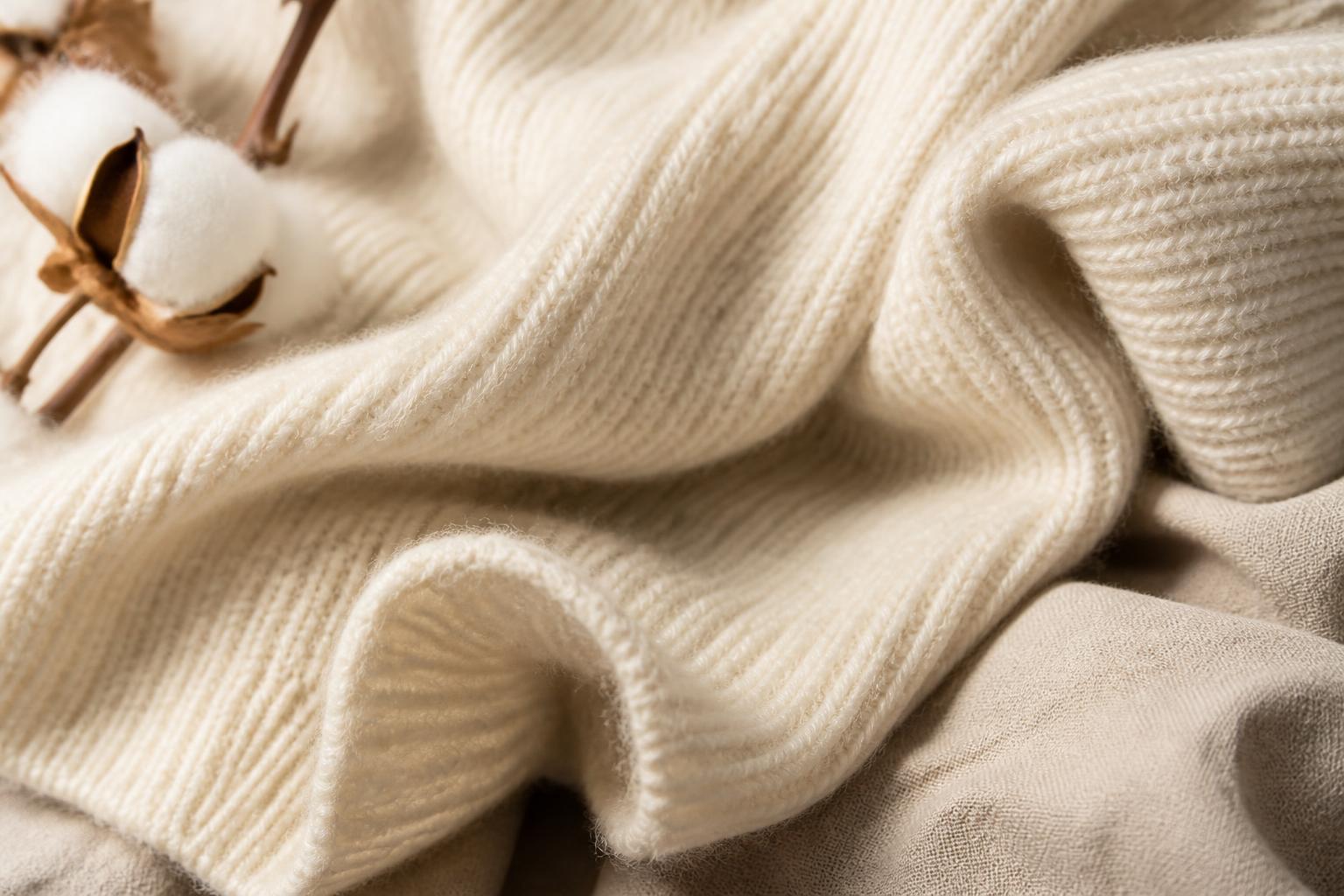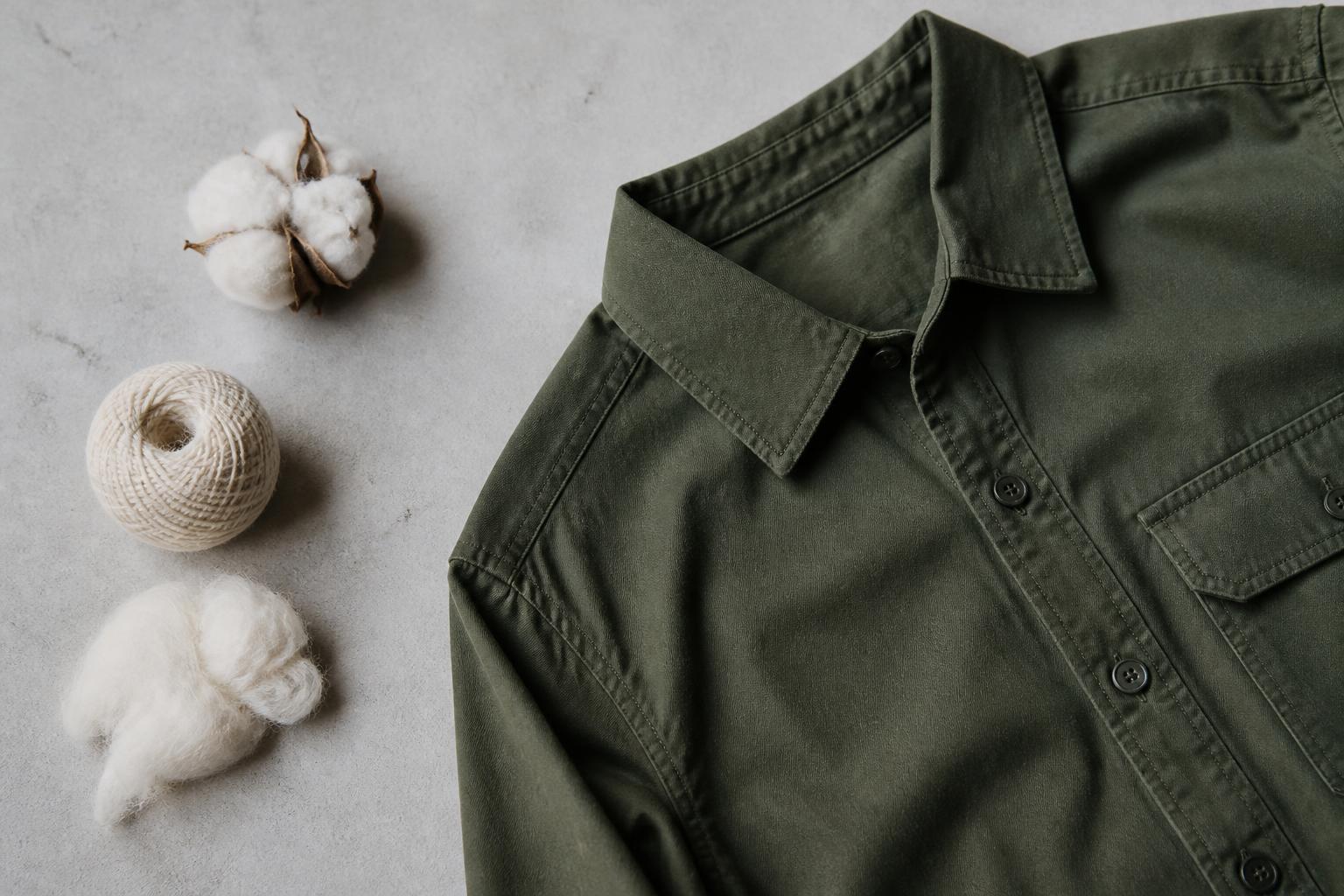

If you are asking what TENCEL is made from, the short answer is cellulose, usually derived from wood. In practice that means dissolved wood pulp is processed into regenerated cellulose fibres, then spun into yarn and made into fabric. TENCEL is not the raw material itself, and it is not a single fibre type. It is a brand used for certain fibres, most commonly lyocell and modal.
That distinction matters because a label can say TENCEL, lyocell, modal, viscose, or simply list a blend, and those words do not all tell you the same thing. For UK shoppers and small brands, the useful question is not only what TENCEL is made from, but which fibre route was used, how the pulp was sourced, and what evidence actually supports the claim.
TENCEL is a brand name for regenerated cellulose fibres
TENCEL is a branded fibre name owned by Lenzing. It sits within the wider category of regenerated cellulose fibres. These are fibres made by taking cellulose from plant material, dissolving or chemically processing it, and then reforming it into filaments or staple fibres.
So when people ask what TENCEL is made from, the answer usually starts with wood pulp, but the more precise answer is regenerated cellulose made from processed plant pulp.
It helps to separate three layers of meaning.
First, there is the raw material, cellulose. Cellulose is the structural substance found in plant cell walls.
Second, there is the generic fibre type. Common examples include lyocell, modal and viscose. These are generic textile names used in fibre labelling.
Third, there is the brand name, TENCEL. A garment may contain TENCEL Lyocell fibres or TENCEL Modal fibres, but on a legal fibre composition label in the UK you are more likely to see the generic fibre name, such as lyocell or modal, rather than the brand standing alone.
This is where confusion often starts. Not every lyocell fibre is TENCEL, and not every modal fibre is TENCEL. TENCEL refers to branded fibres from a specific producer and supply chain. A product page may highlight the brand because it carries certain sourcing or process claims, while the sewn-in composition label may still read 100% lyocell or 50% modal, 50% cotton.
Regenerated cellulose also needs to be distinguished from synthetic fibres such as polyester, nylon and acrylic, which are polymer-based and usually fossil fuel derived. It also differs from natural fibres such as cotton, linen and wool, which are used more directly after harvesting and mechanical processing rather than being dissolved and reformed.
What raw materials go into TENCEL
The main feedstock for TENCEL fibres is wood, more specifically cellulose pulp made from wood. Depending on the fibre line, this pulp may come from hardwoods such as beech, birch or eucalyptus, and sometimes other wood sources used in commercial pulp production.
Made from trees does not mean the final fabric contains little fragments of wood, bark, or untreated plant fibre. By the time cellulose becomes lyocell or modal, the wood has been converted into purified dissolving pulp. This pulp is then processed so the cellulose can be turned into a fibre with a consistent textile structure.
That matters because some marketing language makes tree-based textiles sound closer to mechanically processed natural fibres than they really are. They are plant-derived, but they are also industrially regenerated materials.
The usual material chain looks like this:
Wood is harvested and chipped.
The wood is turned into dissolving pulp, with much of the lignin and other non-cellulose components removed.
That pulp becomes the cellulose feedstock for fibre production.
The cellulose is dissolved or chemically treated, extruded into fibre, washed, dried and spun.
So if you are checking what TENCEL is made from in material terms, the practical answer is wood-derived dissolving pulp, not raw timber and not petrochemical plastic.
There is another point worth making for readers in the UK. A tree-based claim on its own does not tell you whether the wood came from responsibly managed forests, lower-risk regions, ancient or endangered forest landscapes, or mixed sources. Nor does it tell you whether the pulp was virgin, certified, or blended through a mass balance system. Those are separate sourcing questions, and they need separate evidence.
How TENCEL fibres are turned from pulp into fabric
The main production routes relevant to TENCEL are lyocell and modal. Both start with cellulose pulp, but the processing chemistry differs, and that is one reason brands and campaigners often treat them differently.
For lyocell, the cellulose pulp is dissolved in a solvent system, commonly NMMO, short for N-methylmorpholine N-oxide. The resulting solution is filtered and extruded through spinnerets to form fibres. As the extruded material enters a coagulation bath, the cellulose reforms into filaments. Those fibres are then washed, dried, finished, and either cut into staple lengths or kept as filament, depending on the intended use.
The important point with lyocell is that it is often described as a solvent-spun regenerated cellulose fibre, and the process is associated with high solvent recovery in closed-loop systems. Closed-loop does not mean impact-free. It does mean the production setup is designed to recover and reuse most of the solvent rather than discharging it as waste.
Modal follows a different regenerated cellulose route. It is part of the viscose family, even though it is often marketed separately because of its handle, drape and strength properties. In broad terms, cellulose pulp is chemically treated to produce a soluble compound, then extruded and regenerated into fibre. This route can involve chemicals such as caustic soda and carbon disulphide in conventional viscose-type processing.
That difference matters because when consumers hear that TENCEL is made from wood, they may assume all wood-based fibres are produced in the same way. They are not. Lyocell and modal can differ in solvent systems, emissions profile, worker exposure risks, water treatment needs and traceability claims.
After fibre production, the textile chain becomes more familiar. Fibres are spun into yarns, knitted or woven into fabric, then dyed, finished, cut and sewn. A T-shirt described as TENCEL may still involve conventional dyeing, elastane blending, synthetic thread, chemical finishing, or outsourced wet processing. The fibre is one part of the product, not the whole environmental story.
For small brands, this is why fibre selection should not be the only sustainability claim. If you are building product pages, our guide to evidencing product claims clearly and proportionately is a useful place to start.
Which claims about sourcing and certification stand up
When TENCEL-related claims are reliable, they are usually supported by a mix of chain of custody, forestry certification, fibre verification and brand licensing evidence. No single logo covers everything.
The first group of schemes concerns forest source material. Readers may see FSC or PEFC references linked to wood or pulp sourcing. These schemes are about responsible forest management and chain of custody. They can help demonstrate that wood inputs were sourced through certified systems, but they do not by themselves prove the full environmental performance of the finished garment.
The second group concerns the branded fibre itself. If a product claims to use TENCEL, the seller should be able to show that the fibre was sourced as branded TENCEL from an authorised supply chain, not simply generic lyocell or modal. This may sit behind the scenes in invoices, fibre certification, hangtag approval or mill documentation rather than on the care label.
The third group concerns product level testing or ingredient verification. Some brands use transaction certificates, scope certificates, or supply chain records to show where a fibre came from and whether a particular standard applies to a batch. That is especially important where blends are involved.
You may also see OEKO-TEX references. These can be useful, but they answer a different question. Standard 100 by OEKO-TEX, for example, relates to testing for certain harmful substances in the finished textile or components. It does not prove responsible forestry, lower climate impact, or closed-loop solvent recovery.
You may also encounter generic wording such as sustainably sourced wood, eco fibres, or certified cellulose. Those phrases are too broad to rely on without a named scheme or document trail.
For UK readers, there is no special UK-only fibre labelling regime that replaces the familiar generic fibre names. Since Brexit, some product compliance frameworks differ from the EU in areas such as wider product regulation and market surveillance, but fibre composition naming remains closely aligned in practical retail use. What matters most at consumer level is that composition labels use recognised generic names, while branding and supporting claims need separate substantiation.
The limit of certification is just as important as its presence. Forest certification does not prove low-impact dyeing. A brand licence does not prove the whole garment is made from branded fibre. A chemical testing label does not prove ethical labour conditions. This is the same discipline we apply when looking at wider fashion claims in our piece on how to judge fashion ethics in the UK.
How TENCEL compares with cotton, viscose and synthetics
TENCEL is often positioned as a better choice than conventional cotton, standard viscose or polyester, but comparisons need careful boundaries.
Compared with cotton, TENCEL fibres can offer softness, drape and moisture management that many wearers like, especially in shirts, dresses, underwear and bedding. From a resource perspective, tree-based regenerated cellulose does not rely on cotton farming in the same way, so the land, irrigation and pesticide profile may differ significantly depending on the cotton source. But cotton is not one thing. Organic cotton, rain-fed cotton and heavily irrigated conventional cotton are not equivalent, and neither are all lyocell or modal supply chains.
Compared with generic viscose, TENCEL Lyocell is often seen as the stronger claim because the lyocell solvent-spinning route is commonly presented as having a more contained chemical recovery system. That does not make all viscose poor and all lyocell good, but it is a real process distinction, not just a branding flourish.
Compared with standard modal, branded TENCEL Modal may carry stronger sourcing and traceability claims than an unnamed modal fibre, assuming the brand can evidence them. Again, that is a supply chain point, not proof that every stage of the finished garment is superior.
Compared with synthetics such as polyester, regenerated cellulose fibres are plant-derived rather than fossil-based, and they are often discussed in relation to biodegradability under certain conditions. But that does not remove all concerns. Blends with elastane complicate end of life. Finishes and dyes matter. Washing behaviour matters. And if a garment is bought, worn briefly and discarded, a theoretically preferable fibre does not rescue an overproduction model.
The strongest comparisons are usually narrow and specific. For example, one branded lyocell jersey from a traced supply chain may have a stronger sourcing case than an unnamed viscose jersey with unclear pulp origin. A blanket statement that TENCEL is always more sustainable than cotton or polyester goes further than the evidence allows.
This is where readers should be alert to broad environmental marketing. We see the same pattern in other materials categories, where one true attribute is stretched into a much wider promise. Our article on why greenwashing matters in fashion and jewellery looks at that problem in more detail.
What to check on a label before relying on a TENCEL claim
Start with the fibre composition label. In the UK, this should usually state the generic fibre names by percentage. So you may see 100% lyocell, 68% modal 32% polyester, or 97% lyocell 3% elastane. If a product page says TENCEL but the sewn-in label only says viscose, that is a clue to ask more questions.
Next, separate the brand name from the generic fibre name. TENCEL is not itself the legal composition term in the way cotton or wool is. A retailer may use TENCEL in product copy, on a hangtag, or in marketing images, while the composition label gives the generic category. That can be perfectly normal. What matters is whether the retailer can support the branded claim.
Then look for precision in the wording. Useful examples include: Made with TENCEL Lyocell fibres. Contains 60% TENCEL Modal. Fabric woven from TENCEL branded lyocell.
Less useful examples include: Tree fabric. Wood-based blend. Eco cellulose. TENCEL feel.
Check whether the claim applies to the whole garment or only one component. A dress may have a TENCEL outer fabric but a polyester lining. A knit may contain lyocell blended with acrylic or elastane. A label that says made with TENCEL does not mean 100% TENCEL.
Look for supporting evidence on the product page or in brand materials. Good signs include named fibre types, named certifications, and clear descriptions of what is certified. Weak signs include floating logos with no explanation, or claims that use sustainable as a conclusion without saying what was measured or verified.
For small brands, it is worth keeping a simple evidence file for each material claim. That might include supplier declarations, invoices naming the fibre, transaction documents, and any licence or certification references that support the wording you use online. That makes compliance easier and reduces the risk of overclaiming.
Finally, remember that a TENCEL reference tells you something useful, but not everything. It can indicate a particular branded regenerated cellulose fibre with a defined sourcing and production story. It does not automatically tell you where the garment was sewn, how the dyehouse operated, whether workers were paid fairly, or whether the item is built to last.
If you want the clearest answer to what TENCEL is made from, it is wood-derived cellulose pulp regenerated into fibres such as lyocell or modal. If you want the more useful answer for buying decisions, check the generic fibre label, the exact branded claim, and the evidence behind it. That is where the real difference between a meaningful material description and a polished marketing line starts to show.

Questions about this article or a correction to suggest? Get in touch. Read more about our editorial approach.