
Fashion and jewellery shoppers are asked to trust a lot of environmental language on very little evidence. A swing tag says “conscious”, a product page says “responsibly sourced”, a ring comes in a recycled-look box with leaves printed on it, and the overall impression is meant to do the work of proof. The problem is not only outright falsehood. It is the gap between what a reasonable UK shopper thinks a claim means and what the brand can actually substantiate.
That is where the Seven Sins of Greenwashing are still useful. They give us a practical way to spot the most common tricks, from vague wording to selective certification and environmental imagery that implies more than the facts support. In fashion and jewellery, where supply chains are layered, raw materials are mixed, and impacts sit in different stages from farming to dyeing to plating, those traps are especially easy to miss.
What counts as greenwashing in fashion and jewellery?
In a UK consumer context, greenwashing is not just “saying something green that feels annoying”. It is making environmental claims that are likely to mislead because they are unclear, incomplete, unsubstantiated, exaggerated, or presented in a way that creates a false overall impression.
That matters legally as well as ethically. In the UK, environmental claims are shaped by general consumer protection law, including the Consumer Protection from Unfair Trading Regulations, and by the Competition and Markets Authority’s Green Claims Code. The CMA’s core test is straightforward. Claims should be truthful and accurate, clear and unambiguous, not omit or hide important information, make fair and meaningful comparisons, consider the full life cycle, and be substantiated.
Fashion and jewellery are difficult categories because the product itself often hides the stages that matter most. A cotton shirt may carry most of its impact in farming, spinning, dyeing, finishing, transport, use, or end of life, depending on how it was made and how it is used. A gold vermeil necklace can involve mining, refining, alloying, plating thickness, base metal choice, and labour conditions across several countries. A simple claim such as “sustainable” tells us almost nothing about those specifics.
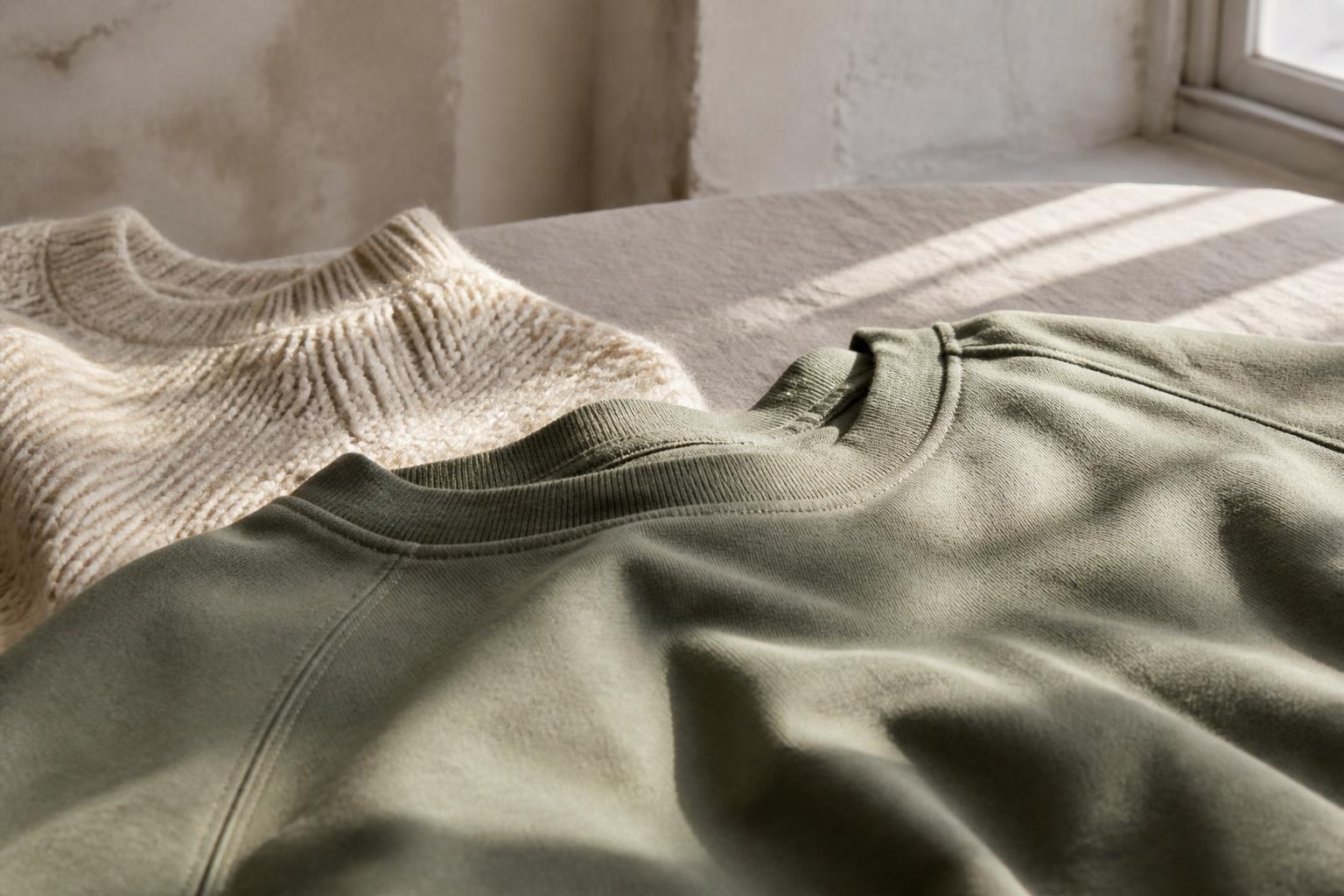
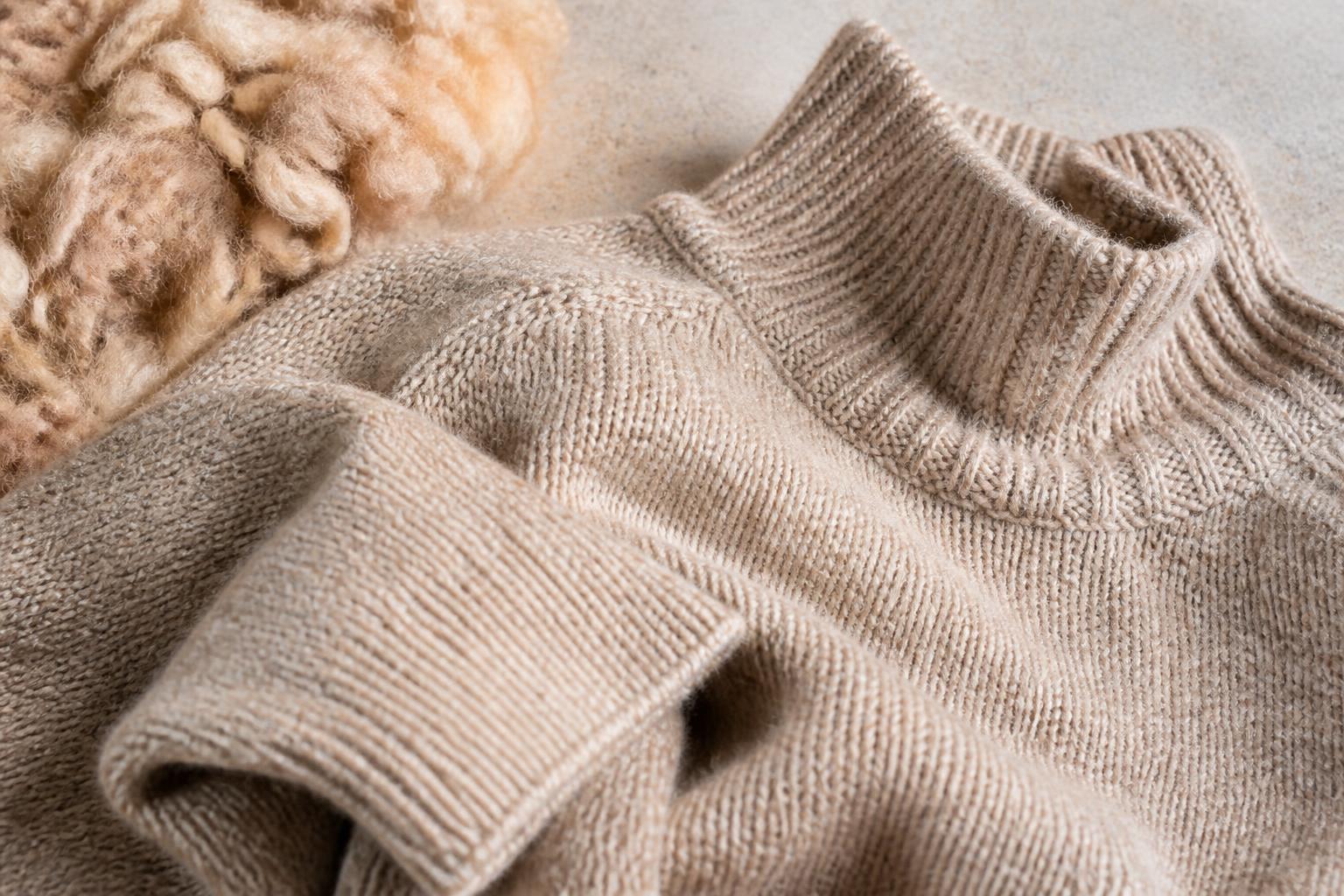
There is also a presentation problem. Clothes and jewellery are visual products. Brands sell mood, texture, identity, and aspiration. That makes it easy to wrap weak environmental claims in strong design cues. Earth tones, kraft card, botanical illustrations, words like “pure” and “natural”, and close-up imagery of fibres or stones can all suggest a level of environmental benefit that has not actually been demonstrated.
If you want a wider grounding in why this matters across both sectors, our piece on why greenwashing matters in fashion and jewellery sets out the consumer and sourcing implications in more detail.
Sin 1 to 3: vague language, hidden trade-offs and token proof
The first trap is vague language. This is the classic “eco”, “green”, “kind to the planet”, “more sustainable”, or “responsible” claim with no clear explanation of what is being measured, compared, or improved. In fashion, “conscious collection” could mean anything from a higher recycled fibre content to a packaging tweak. In jewellery, “ethical” may refer only to one part of the supply chain, such as recycled silver, while saying nothing about gemstones, plating chemicals, or manufacturing.
Vagueness matters because shoppers fill in the blanks themselves. If a dress is labelled “sustainable viscose”, many people will assume the fibre source is responsibly managed, the chemical process is controlled, and the fabric mill meets decent standards. The brand may only mean that some wood pulp came from a preferred source. We need the brand to specify the actual point of improvement.
The second trap is the hidden trade-off. This happens when one positive feature is highlighted while more significant impacts are left out. A common example is “made with recycled polyester”. That may be true and relevant, but it does not answer questions about microfibre shedding, fabric blends that are hard to recycle again, dyeing and finishing, or whether only a small percentage of the garment is recycled. Likewise, “organic cotton” addresses important issues in fibre production, but it does not automatically tell us about water use in wet processing, durability, trim composition, or worker pay in cut and sew factories.
Jewellery has its own version. A brand may promote “recycled silver” or “lab-grown diamonds” as though that settles the environmental picture. It does not. Recycled precious metals can reduce demand for newly mined material, but shoppers still need to know about traceability, alloying, plating, manufacturing, and whether the claim applies to the whole item or only one component. Lab-grown stones avoid some mining impacts, but they still require energy, and the claim should not drift into “impact free”.
The third trap is token proof. This is where a brand offers something that looks like evidence but does not really prove the claim being made. It might be a generic “certificate available on request”, a supplier letter with no standard behind it, a logo that is not linked to any public criteria, or a sentence about planting trees that has no direct bearing on the product itself.
We see this often with material claims. A brand says “made from ocean plastic”, but the proof turns out to be a broad supplier marketing sheet rather than a chain of custody document for that specific yarn. Or a jewellery seller says “conflict free” without naming the standard, scheme, or due diligence process used. Token proof is not the same as robust substantiation. A serious claim needs evidence that matches the claim in scope, date, and product relevance.
For readers comparing fibre claims, our guide to how to compare fashion materials without greenwash is useful alongside this one.
Sin 4 to 5: irrelevant labels and selective certification
The fourth trap is the irrelevant claim. This is a statement that may be true but does not help the buyer make a meaningful environmental judgement. In some cases it points to something already restricted by law or no longer expected in the category. In others it spotlights a minor feature to distract from larger impacts.
Examples include packaging-led claims that overshadow the product, such as making much of a recyclable mailer while saying little about the garment’s fibre mix, dye chemistry, or expected lifespan. Another example is a jewellery brand stressing that its boxes are FSC-certified, which is fine, while giving no equivalent clarity on metal sourcing or stone traceability. Packaging matters, but it should not be used to imply that the item itself is environmentally preferable if that has not been shown.
The fifth trap is selective certification. Certification can be genuinely useful, but only if we read what it actually covers. Shoppers often see a recognised logo and assume it applies to the whole product and the full supply chain. That is frequently not the case.
A textile standard may apply to a fibre, a yarn, a fabric, a chemical input, a finished garment, or a factory process, depending on the scheme. Some standards are chain of custody tools. Some are input approvals. Some cover social criteria as well as environmental ones. Some do not. A claim such as “certified cotton” may refer only to one component, and only at one stage.
The same issue appears in jewellery. A certification or assurance claim may apply to recycled precious metal content, to a refinery, to a gemstone supplier, or to a membership scheme with due diligence requirements. It does not necessarily certify the whole ring or necklace. If a product contains metal, plating, stones, glue, findings, and packaging, the scope matters.
This is where wording like “made with certified recycled gold” needs slowing down. How much of the item is gold? Is it solid gold, plated, filled, or vermeil? Is the certification attached to the refinery, the material batch, or the finished product? Are the findings included? If there are diamonds or coloured stones, are they in scope at all?
In the UK, the same broad consumer law principles apply whether a claim is made online, on a label, or on social media. The EU also regulates misleading environmental claims, but when you are buying from a UK-facing business, it is worth checking what standards and legal references the brand itself relies on, rather than assuming an EU position automatically governs the claim.
Sin 6 to 7: no proof and false impressions
The sixth trap is simple, no proof. If a brand cannot show evidence when asked, the claim should not have been made in the first place. “We work with sustainable suppliers” is not enough. Which suppliers? Against what criteria? Since when? For which product line? What documents support that statement?
Strong brands keep records. For textiles, that might include transaction certificates, scope certificates, bills of materials, test reports, fibre composition records, restricted substances documentation, and supplier declarations tied to named standards. For jewellery, it may include metal sourcing records, assay information, recycled content declarations, invoices from accredited refiners, chain of custody documents, and gemstone provenance or due diligence records where relevant.
The seventh trap is the false impression created by design and imagery. This is one of the hardest to regulate in practice because each element may be technically defensible while the overall presentation still misleads. A brand may avoid explicit claims but create a distinctly environmental halo through colour palette, nature imagery, paper textures, words like “earth” or “clean”, and product naming that suggests low impact.
A good test is to ask what a reasonable shopper would take away after a quick glance. If the answer is “this item is better for the environment”, then the brand should have evidence strong enough to support that takeaway. If all it really has is one modest material attribute, the presentation is doing too much.
This is common in jewellery because the product is small and packaging carries so much of the storytelling. A ring in a linen pouch with a card about “our planet” can imply a level of environmental diligence far beyond what the sourcing records show. In fashion, capsule names such as “natural edit” or “future collection” can create the same effect, especially when paired with muted styling and selective close-ups of fibres.
How to test a claim before you trust it
A practical check starts with one question, what exactly is being claimed? Not “is this a nice brand?” but “what specific environmental benefit is being asserted here?”
Then work through the claim in six steps.
First, identify the subject. Is the claim about the whole product, one material, the packaging, or the company overall? “This jumper is made with recycled wool” is narrower than “this jumper is sustainable”.
Second, check percentages. If a product says “made with recycled materials”, how much is recycled, and which parts? A shell fabric might contain recycled fibre while the lining, trim, elastane, interlining, and thread do not. In jewellery, the metal may be recycled while the stone and plating are not covered.
Third, look for chain of custody, not just a nice origin story. If a brand claims certified organic cotton, recycled polyester, or responsibly sourced precious metal, there should be a way to trace that claim through the relevant supply chain documents. General statements about supplier values are weaker than product-specific records.
Fourth, check dates. Environmental claims age quickly. A certificate that expired last year, a supplier statement with no date, or a sustainability page that refers to targets without saying whether they were met should lower confidence. Claims should reflect the current product and current sourcing arrangements.
Fifth, name the standard. “Certified”, “tested”, and “verified” are incomplete without the name of the scheme, standard, or body involved. Once named, you can check what it actually covers. Our article on how to judge designers using recycled materials goes deeper on what to look for in recycled content claims.
Sixth, ask what stage has been omitted. This is often where the real story sits. For a fabric, omitted stages might include dyeing, finishing, lamination, or blending with synthetics. For jewellery, omitted stages might include plating, gemstone setting, refining, or repairability. If the claim focuses on one good point while staying silent on the rest, you may be looking at a hidden trade-off rather than a genuinely well-supported improvement.
A few quick examples help.
If a bag says “made from recycled plastic bottles”, ask how much of the bag this covers, whether the claim refers to the outer fabric only, and what the backing, coating, zip, lining, and straps are made from.
If a necklace says “recycled gold plated”, ask whether the base metal is identified, whether the recycled claim applies to the plating material only, and whether the plating thickness is disclosed in a way that helps you judge longevity.
If a blouse says “natural fibres”, ask which fibres, in what percentages, and whether “natural” is being used to imply environmentally preferable performance without evidence. Natural does not automatically mean lower impact.
Which sources are strong enough to rely on?
The strongest sources are primary, specific, and close to the product in question.
For fashion, that includes product-level specifications, bills of materials, transaction certificates where relevant, scope certificates that can be checked against the actual claim, fibre composition labels, test reports, and supplier documentation tied to named standards. For jewellery, strong sources include assay and hallmarking information where relevant, invoices and declarations from refiners or suppliers, chain of custody records, and product specifications that distinguish between solid metal, plating, filled constructions, and stone types.
Public bodies also matter. In the UK, the Competition and Markets Authority’s Green Claims Code is one of the most useful reference points because it tells us how claims should be framed and evidenced. The Advertising Standards Authority is also valuable because its rulings show how environmental messaging is judged in practice. Trading Standards and Citizens Advice can be relevant where claims appear misleading at point of sale.
Standards documents are useful, but only if we read them for scope and limits. A standard can tell us what has been checked, what has not, whether chain of custody is included, whether social criteria sit alongside environmental ones, and how certification can be communicated. The logo alone is never enough.
There are also limits to good sources. A valid certificate does not prove a product is low impact overall. It proves compliance with that scheme’s criteria and scope. A life cycle assessment can be informative, but if it compares only selected stages or relies on assumptions not disclosed on the product page, it should not be treated as a complete answer. Supplier declarations can be honest and still too broad for the consumer claim being made.
That is why we prefer layered evidence. A credible claim is usually supported by more than one thing, clear wording, a named standard or methodology, product-specific documentation, current dates, and an honest explanation of what the claim does not cover.
The point of using the Seven Sins of Greenwashing is not to catch brands out on technicalities. It is to get closer to what a shopper reasonably wants to know before buying, what is this product made from, which part of the supply chain has genuinely improved, and where are the limits? Once you start asking those questions, a lot of polished green language falls away, and the stronger claims become easier to recognise.

Questions about this article or a correction to suggest? Get in touch. Read more about our editorial approach.