
If you want to judge designers using recycled materials well, the key question is not simply whether they use them at all. It is what kind of recycled input they use, how much of it is in each product, how clearly they explain the source, and whether the claim is backed by traceable evidence rather than mood-board language.
That matters because recycled content can be genuinely useful, especially where it displaces virgin synthetics or keeps existing fibres in circulation for longer. But it can also be presented in a way that sounds far more substantial than it is. When we assess fashion designers that use recycled materials, we look for product-level detail, specific terminology, and proof that the recycled claim relates to the item being sold, not just to a broad brand story.
What counts as recycled material in fashion
In fashion, recycled material usually means an input that has been reprocessed from waste into a usable fibre, yarn, fabric, metal, or component. The first distinction to understand is pre-consumer versus post-consumer.
Pre-consumer recycled material comes from waste created before a product reaches the customer. In clothing, that might mean factory offcuts, spinning waste, or surplus fabric reprocessed into new yarns or textiles. In jewellery, it often refers to precious metal recovered from manufacturing scrap, bench sweepings, or unused stock.
Post-consumer recycled material comes from products that have already been used and discarded. In clothing, common examples include polyester made from collected PET bottles, nylon regenerated from fishing nets or carpets, and fibres recovered from worn textiles. In jewellery, post-consumer recycled silver or gold can come from old jewellery, electronic waste, and other end-of-use metal streams that are refined back to a usable standard.
The distinction matters because the environmental story is different. Pre-consumer waste is often cleaner, easier to sort, and simpler to process. It can still be valuable, but it may be closer to efficient manufacturing than to solving a disposal problem. Post-consumer material usually requires more collection, sorting, and processing, but it can divert waste that would otherwise be landfilled, incinerated, or lost from circulation.
It also matters because some brands present all recycled inputs as though they do the same job. They do not. A ring made from recycled sterling silver, a fleece made from recycled polyester bottles, and a shirt containing 10 per cent recycled cotton from cutting-room scraps all sit under the recycled umbrella, but they involve different waste streams, different processing routes, and different limitations.
In clothing, common recycled inputs include polyester, nylon, cotton, wool, and leather fibres or leather offcuts used in bonded materials. In jewellery, recycled precious metals are by far the most common. Recycled gemstones are less straightforward, because stones can be reused or recut, but the assurance systems around them are not equivalent to those used for refined metals.
Which claims are meaningful and which are too vague
Some recycled claims tell you something useful. Others are so broad that they leave the hard questions unanswered.
“Recycled” is meaningful only when a designer states what is recycled, in what proportion, and ideally whether it is pre-consumer or post-consumer. “Made with recycled materials” is too vague on its own. It could refer to the main fabric, the lining, the thread, the packaging, or a tiny trim. A better claim would be “outer fabric contains 85 per cent post-consumer recycled polyester” or “cast in 100 per cent recycled silver”.
“Ocean-bound” needs particular care. It usually does not mean material recovered from the sea. It often refers to waste collected within a defined distance of coastlines or waterways, on the basis that it is at risk of entering the marine environment. That can still be worthwhile, but the wording matters. If a designer uses “ocean plastic” when the source is actually coastal collection before leakage, we would want them to say so plainly.
“Deadstock” is another term that sounds precise until you ask what it covers. In fashion, it usually refers to unused surplus fabric, trims, or components from mills, factories, or brands. It is not generally recycled in the technical sense, because the material has not been broken down and remade. It is better understood as existing surplus stock being put to use. That can reduce waste and avoid new production, but it is a different claim from recycled content.
“Regenerated” is often used for recycled nylon and some cellulosic fibres, but it can also be used loosely as a marketing word. If a designer says a fabric is regenerated, we want to know the feedstock and process. Regenerated nylon made from waste nets and carpets is a recognisable claim. “Regenerated fabric” without further detail is not enough.
Useful evidence behind these terms includes certification scope, transaction certificates, supplier documentation, and product-level fibre composition. For a small brand, that may mean keeping invoices, material specifications, and chain of custody paperwork. For a shopper, it means looking for the same specifics on the product page or swing tag.
If the wording stays broad even after you read the product description, take that as information. It may mean the brand has not done the underlying verification work, or that the recycled element is too minor to state proudly. Our guide to comparing fashion materials without greenwash is useful here, because the same habit applies across recycled, natural, and semi-synthetic claims.
What certification can and cannot prove
Certification can help, but it does not remove the need to read carefully.
The Global Recycled Standard, or GRS, is one of the most widely used schemes for recycled textiles. It covers recycled content, chain of custody, and some social and chemical processing criteria. A GRS-certified fabric can therefore tell you more than simply “contains recycled polyester”. It suggests the recycled input has been verified through the supply chain and that relevant processing sites are within scope.
The Recycled Claim Standard, or RCS, is narrower. It focuses on verifying recycled content and chain of custody, but it does not include the broader social and chemical criteria found in GRS. That does not make it useless. It simply means you should not read extra assurances into it.
Both GRS and RCS have an important limit. They certify material flows and certified facilities within scope. They do not prove that a whole brand is sustainable, nor that a finished product is low impact overall. A coat made with certified recycled polyester can still have poor durability, unclear labour conditions elsewhere in the supply chain, or trims that are impossible to recycle.
OEKO-TEX is often misunderstood in this context. Standard 100 by OEKO-TEX is about testing for certain harmful substances in the finished textile or components. It does not prove recycled content. It can be relevant, especially where recycled inputs raise questions about contaminants, but it answers a different question.
In jewellery, recycled metal claims are usually supported through refinery documentation, supplier declarations, and assurance schemes tied to chain of custody and responsible sourcing standards. Responsible Jewellery Council certification can indicate that a business has been audited against certain responsible business practices, but it is not the same thing as proving that a specific ring contains a specific percentage of recycled gold. For product-level recycled metal claims, we still want to see clarity from the maker or supplier about what “recycled” means in that piece.
This is also where UK and EU practice can diverge slightly in presentation. The underlying standards may be international, but consumer-facing claims are shaped by local advertising and consumer protection rules. In the UK, recycled claims must comply with the Competition and Markets Authority’s Green Claims Code and general consumer protection law. In the EU, businesses also face consumer law requirements, and the direction of travel has been towards tighter control of environmental claims through newer legislation and guidance. In both cases, the practical test for readers is similar. Is the claim specific, evidenced, and unlikely to mislead?
If you run a small label, our checklist on how small fashion brands can evidence product claims sets out the sort of backup we would expect to sit behind recycled wording.
How recycled fibres compare in practice
Recycled fibres are not interchangeable. Each comes with trade-offs in sourcing, performance, and end-of-life options.
Recycled polyester is common, widely available, and often made from PET bottles. It can reduce demand for virgin polyester, but it does not solve the shedding of microfibres during wear and washing, and bottle-to-fibre systems can compete with closed-loop bottle recycling. It is often a practical choice in outerwear, sportswear, and linings, but it is not automatically the best option in every garment. We look for clear percentages and whether the claim refers to the main fabric or only a secondary part. Our piece on recycled polyester labels decoded for UK clothes buyers goes into this in more detail.
Recycled nylon can be compelling where it replaces virgin nylon in swimwear, hosiery, and technical fabrics. Some regenerated nylon systems use waste such as fishing nets, fabric scraps, and old carpets. The strength and finish can be good, but the same microfibre concerns remain, and the exact feedstock mix may vary by supplier.
Recycled cotton is useful, but technically difficult. Cotton fibres shorten each time they are mechanically recycled, which can affect strength and handle. That is why recycled cotton is often blended with virgin cotton or other fibres. A designer using recycled cotton should be honest about the percentage and whether the source is pre-consumer or post-consumer textile waste. “Recycled cotton shirt” can sound straightforward while hiding a relatively small recycled fraction.
Recycled wool often performs well because wool fibres can be mechanically recovered and respun for knitwear, coatings, and woven fabrics. It has a long history in textile production. The quality depends heavily on sorting, fibre length, and blending. Recycled wool can be a strong option where the designer also discloses the blend and expected care needs.
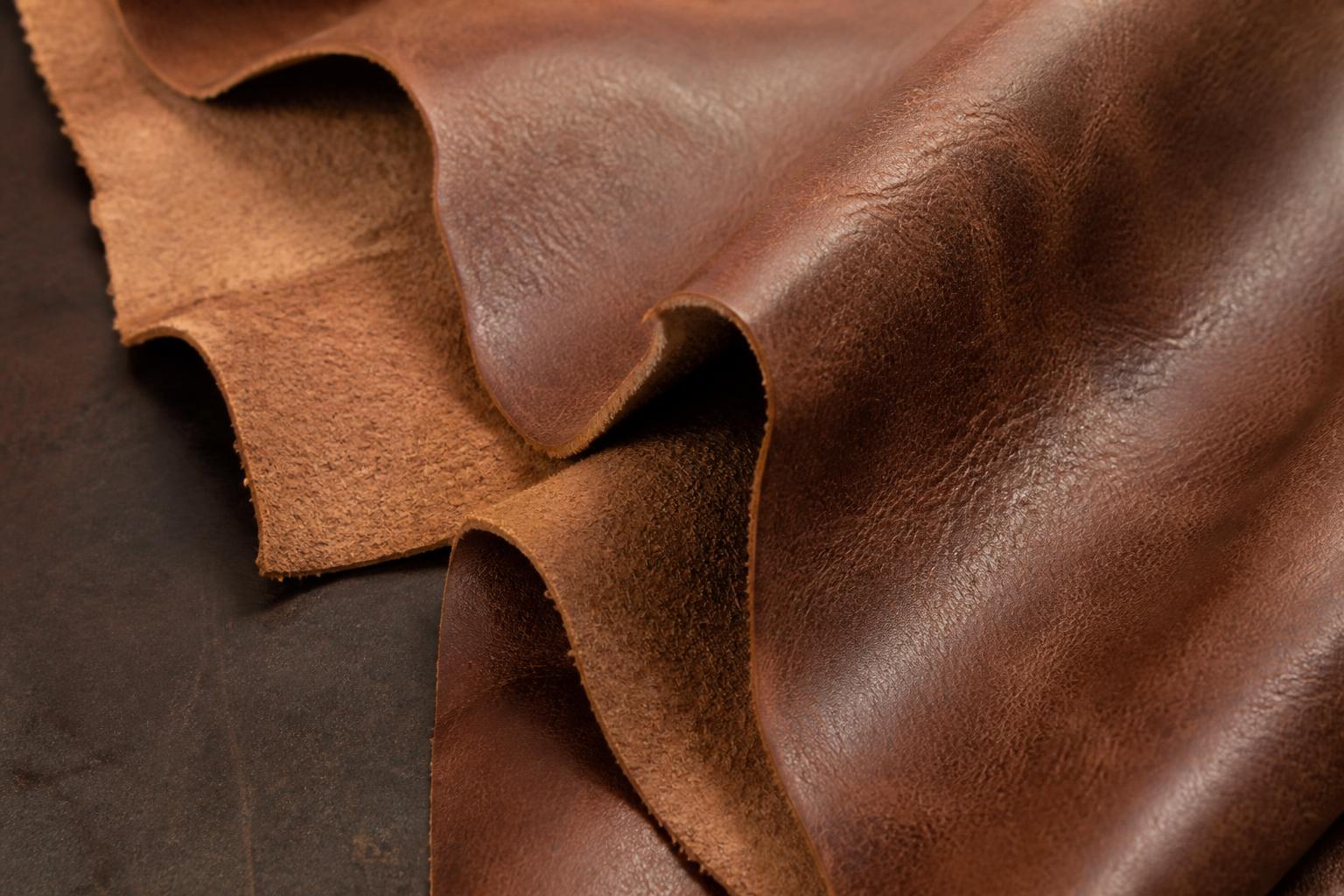
Recycled leather inputs need especially careful reading. There is a big difference between reused vintage leather, leather offcuts patchworked into a new item, and bonded material made from shredded leather fibres mixed with binders. All may be described in ways that sound circular. Only one description tells you much about durability and composition. If the material is a bonded or composite leather product, the designer should say so.
Mixed-material products are often the hardest to judge. A jacket might contain recycled polyester shell fabric, virgin elastane, synthetic wadding, metal hardware, and a conventional lining. A necklace may use recycled silver with virgin plating, resin elements, or mined stones. In these cases, we do not expect perfection. We do expect specificity. Which parts are recycled, and which are not?
How to assess a designer's sourcing story
The best way to assess a designer’s sourcing story is to move from broad branding to product-level facts.
Start with percentages. If a brand says it uses recycled materials, can you find the percentage in each relevant product? “Contains recycled fibres” is weak. “Fabric made with 70 per cent recycled wool and 30 per cent polyamide” is useful. In jewellery, “made from recycled silver” is better when the brand explains whether that means fully recycled feedstock from a refinery or a mix including newly mined input.
Then look for traceability. We do not need every brand to publish every supplier, but we do want a plausible sourcing path. For clothing, that might mean naming the certified mill, the material standard, or the region and type of supplier. For jewellery, it could mean naming the refinery standard, workshop location, or whether the metal comes from a certified recycled source. Vague phrases such as “ethically sourced materials” or “carefully selected recycled fabrics” do not tell you enough.
Product-level detail matters more than manifesto language. A homepage may talk about circularity, but the test is whether the coat, dress, ring, or pair of earrings has a clear material breakdown. If the recycled claim appears only on an “About us” page and not on the product itself, treat it cautiously.
Supplier disclosure is useful, but context matters. A small UK label may not publish a full supplier list for commercial reasons. Even so, it should still be able to say whether a fabric is GRS-certified, whether the recycled content is pre-consumer or post-consumer where known, and what percentage is in the textile. A jeweller should be able to explain how it defines recycled gold or silver, and whether that information comes from its caster, refinery, or metal supplier.
Watch for missing information around trims and findings. A bag promoted for its recycled body fabric may use virgin polyurethane coating and mixed hardware. A recycled silver earring may use plated brass backs. These details do not necessarily invalidate the product, but they change the claim.
We also pay attention to whether a designer acknowledges trade-offs. The most credible sourcing stories usually include some limits. For example, a brand may explain that it uses recycled polyester in outerwear for performance reasons but avoids calling the fabric low impact in absolute terms. Or a jeweller may state that recycled silver reduces reliance on newly mined input, while also noting that recycled content alone does not address every social and environmental issue in jewellery supply chains. That kind of restraint is often a good sign.
Finally, notice what happens when information is absent. If there is no percentage, no standard, no explanation of terms such as regenerated or ocean-bound, and no indication of which component is actually recycled, we would not give the claim much weight. Good brands do not need to oversell. They need to be legible.
For readers making a broader judgement, recycled content should sit alongside durability, repairability, care, and honesty in marketing. A well-made garment with clear fibre disclosure and realistic claims tells us more than a highly styled sustainability page full of unqualified buzzwords. If you want to place recycled claims within a wider UK shopping context, our guide to how to judge fashion ethics in the UK is a useful next step.
In the end, judging designers who use recycled materials is less about rewarding the word “recycled” and more about testing what sits behind it. We look for precise language, evidence that matches the claim, and enough sourcing detail to understand what problem the material choice is actually solving. That is how recycled content becomes informative rather than decorative.

Questions about this article or a correction to suggest? Get in touch. Read more about our editorial approach.