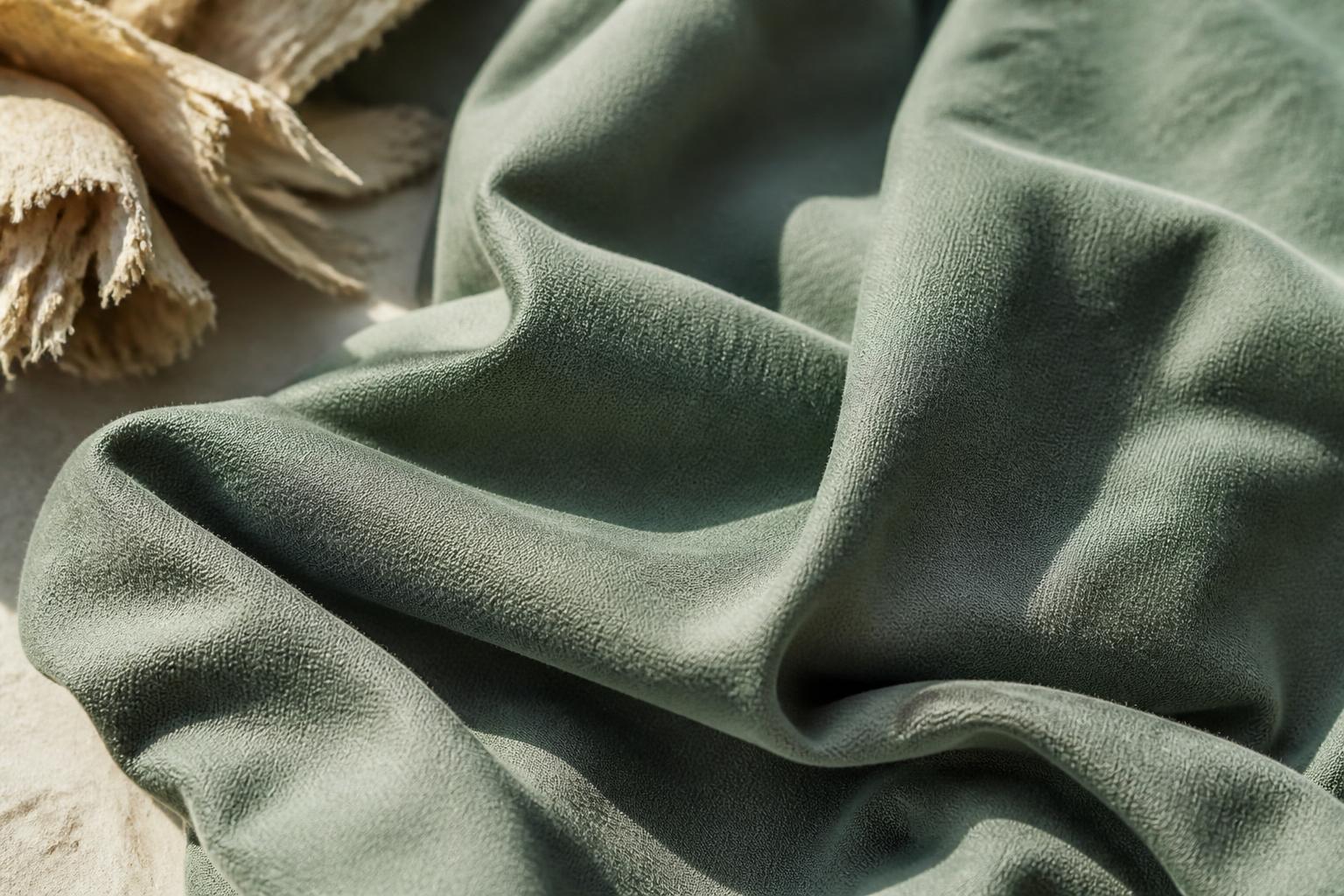
Lyocell is a man-made cellulosic fibre made from wood pulp. If you are asking what Lyocell fabric is, the short answer is that it sits between plant-based and manufactured materials. Its raw material is cellulose from trees, but that cellulose is dissolved, extruded and turned into fibre in an industrial process.
That middle position is why Lyocell causes so much confusion. It is not a natural fibre in the way cotton, linen or wool are natural fibres, because it does not exist in wearable fibre form without chemical processing. But it is not a conventional synthetic like polyester or nylon either, because its polymer comes from plant cellulose rather than fossil fuel feedstocks. To understand the claims around it, you need to look at both parts, the forest source and the manufacturing system.
What lyocell fabric actually is
Lyocell belongs to the regenerated cellulosic fibre family. That category includes viscose, rayon, modal, cupro and Lyocell. In all of them, the starting point is cellulose, usually from wood, sometimes from other plant sources, which is broken down and then re-formed into textile fibre.
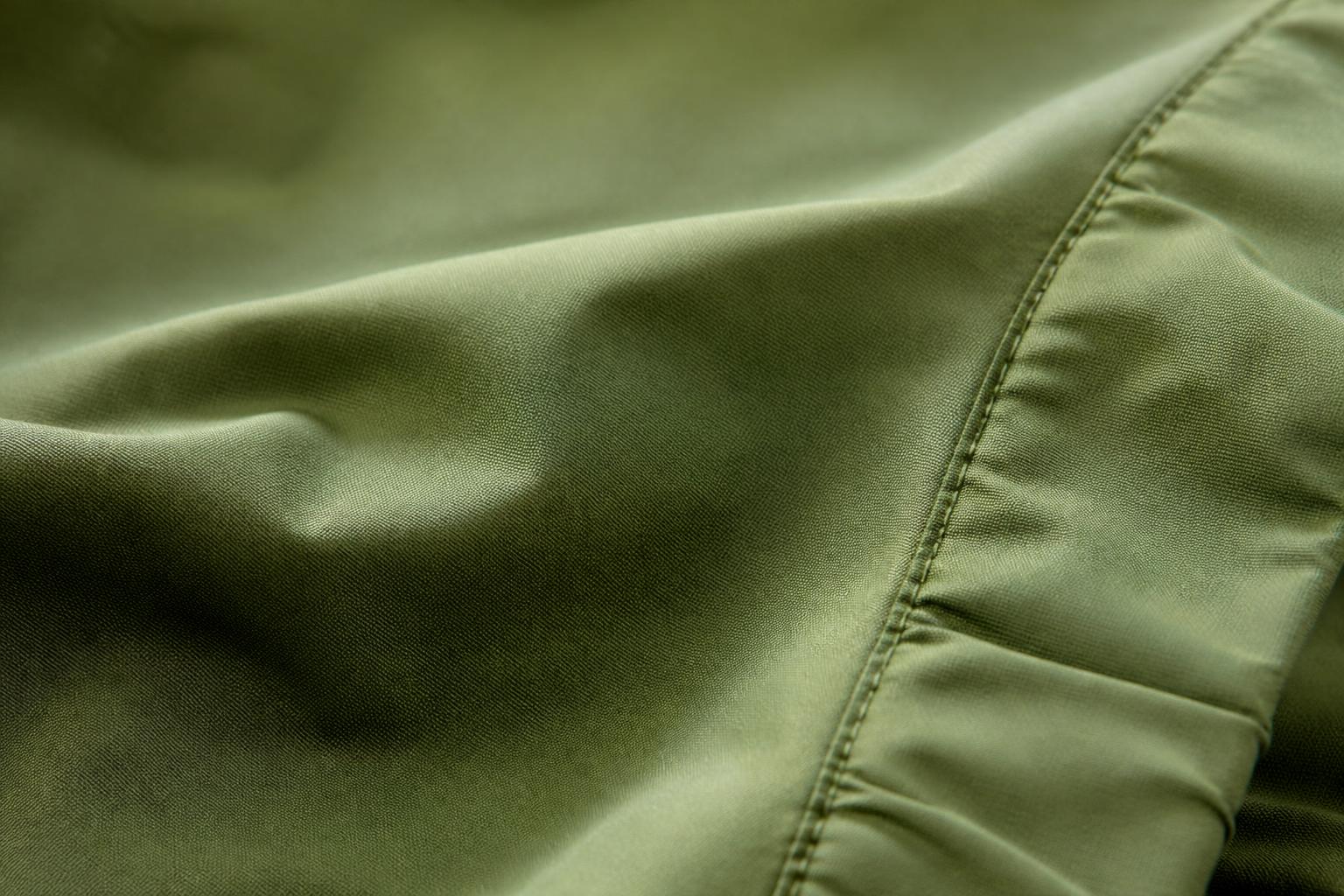
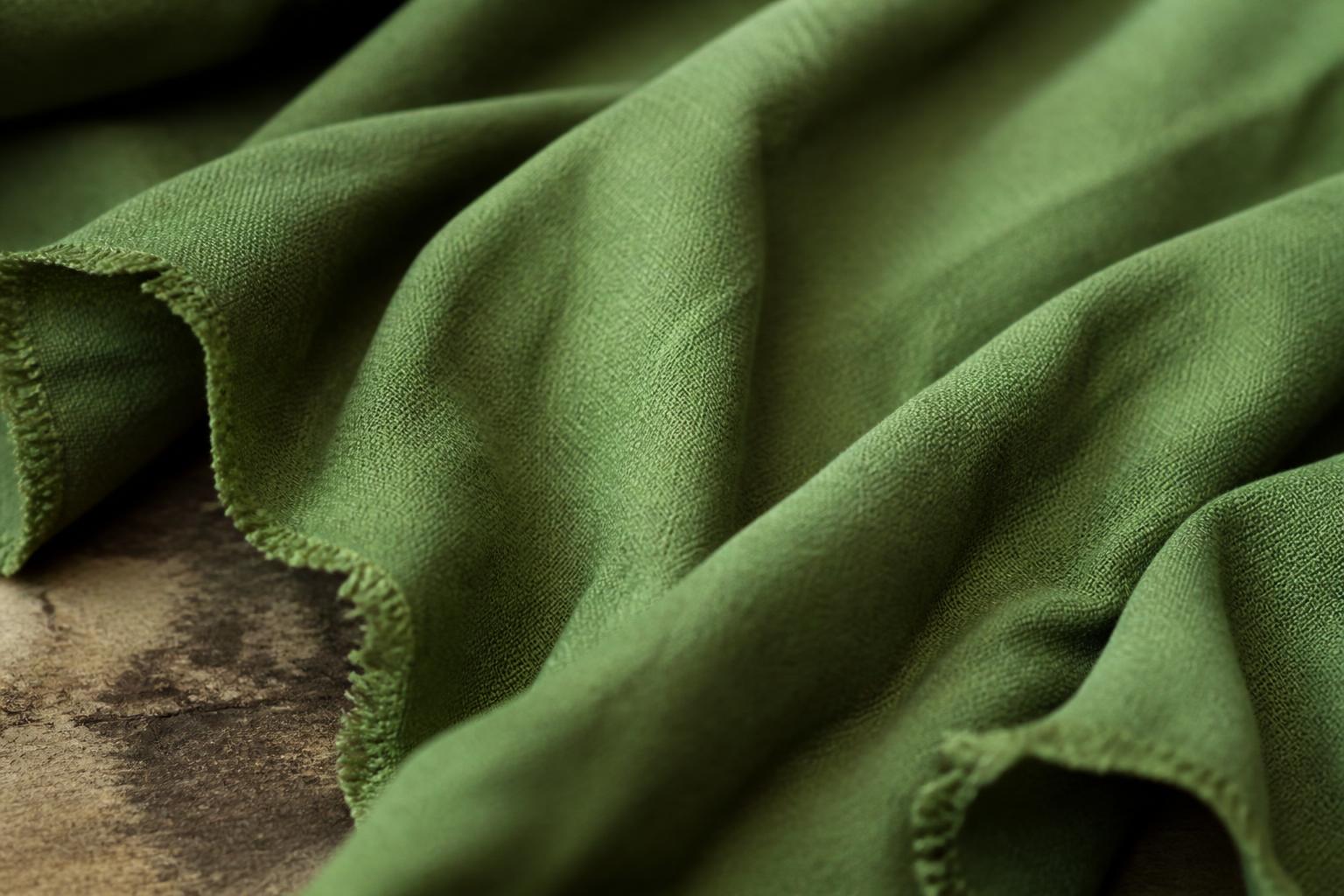
In practical terms, Lyocell fabric is usually soft, smooth and fluid. It is often used in shirts, dresses, trousers, underwear, linings, denim blends and home textiles. Depending on yarn type and finishing, it can look matte and peachy, crisp and cool, or almost silky. It also blends readily with cotton, wool, linen and synthetics.
The important distinction is structural. Cotton grows as a fibre on the plant. Flax is processed into linen fibre from the plant stem. Lyocell does not grow as a spinnable textile fibre. We manufacture it by extracting cellulose from wood pulp, dissolving it in a solvent, then spinning it back into filaments.
That is why calling Lyocell simply "natural" is not accurate. It comes from a natural raw material, but the fibre itself is regenerated through an industrial chemical process. Equally, calling it "plastic-free synthetic" muddies the picture. It is manufactured, yes, but it is not a petrochemical synthetic in the same category as acrylic or polyester.
You will also see branded and generic names used interchangeably. Lyocell is the generic fibre category. TENCEL Lyocell is a branded version made under Lenzing’s system and sourcing standards. Not every Lyocell fibre is TENCEL, just as not every trainer is a particular brand. If you want the brand-specific sourcing and process claims, it matters whether the label says Lyocell generally or names a specific producer. We cover that in more detail in our guide to what TENCEL is made from and why it matters.
How lyocell is made
The process starts with wood. Common feedstocks include eucalyptus, beech, birch and spruce, depending on the producer and region. The wood is chipped and turned into dissolving pulp, which is a highly purified cellulose pulp with most lignin and hemicellulose removed.
That pulp is then dried into sheets and sent to the fibre plant. There, it is broken up and dissolved in a solvent. The solvent used for Lyocell is typically N-methylmorpholine N-oxide, usually shortened to NMMO. This is the key technical difference from viscose, which uses a different chemistry involving carbon disulphide.
Once the cellulose has dissolved into a thick solution, often called dope, it is filtered to remove impurities. The solution is then pushed through spinnerets, which are metal plates with very fine holes. As the filaments emerge, they pass through an air gap and into a water bath, where the cellulose re-forms into fibre. This stage is often described as solvent spinning.
The new fibres are then washed to remove residual solvent, dried, finished and either cut into staple fibre for spinning like cotton, or left as filament depending on the intended end use. After that, they move into the familiar textile chain, spinning, knitting or weaving, dyeing, finishing and garment manufacture.
Much of Lyocell’s better reputation rests on the solvent recovery system. In a well-run Lyocell plant, the NMMO is recovered and reused at a very high rate rather than discharged after one use. That is what people usually mean when they call Lyocell a closed-loop fibre.
But closed-loop claims need careful reading. They do not mean nothing enters or leaves the system. The process still uses energy, water and auxiliary chemicals. There are still losses, even if low. Pulp production happens upstream and has its own environmental footprint. Dyeing and finishing happen downstream and can dominate impacts for some fabrics. A closed-loop solvent system is a meaningful process feature, but it is not the same as a zero-impact material.
It also does not tell you everything about forest sourcing. A fibre can be made in an efficient solvent recovery system and still raise questions if the wood source is unclear, if ancient or endangered forests are involved, or if traceability is weak. For a small brand, that means asking not only how the fibre was spun, but also which pulp producer supplied it and what chain of custody documents exist.
How lyocell compares with viscose, modal and cotton
Lyocell, viscose and modal are close relatives, but they are not interchangeable.
Viscose is the broad, older regenerated cellulose category most people know as rayon. It is widely used, often inexpensive, and can vary a great deal in quality. Its traditional manufacturing process uses chemicals that have raised longstanding environmental and occupational health concerns where controls are poor. That does not mean every viscose mill performs badly, but it does mean process management matters a great deal.
Modal is generally a type of high wet modulus regenerated cellulose, often made from beech pulp and engineered for softness and dimensional stability. In the market, it often appears in underwear, jersey and loungewear. Its performance can be very pleasant in wear, but the environmental profile still depends on the exact producer, chemistry, energy mix and sourcing.
Lyocell is usually positioned as the cleaner-process option within this family because of the NMMO solvent system and high recovery rates. It also tends to have good strength for a regenerated cellulose fibre, including better wet strength than conventional viscose. That can help during processing and wear. In garments, Lyocell often feels smooth and breathable, and it can manage moisture well, though fabric construction matters as much as fibre type.
Compared with cotton, the differences are less about one fibre being categorically better and more about trade-offs.
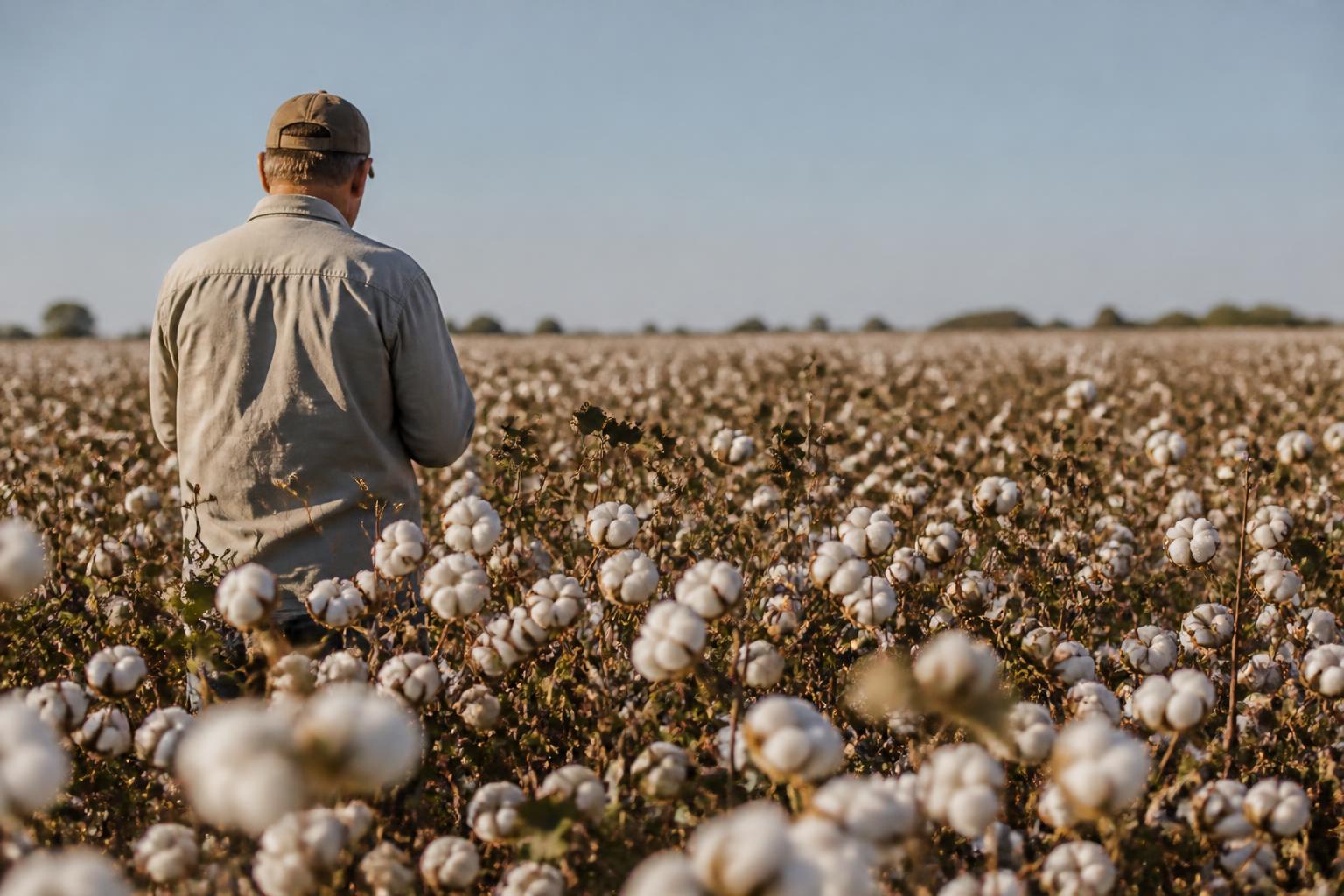
Cotton is a natural staple fibre grown in fields. It can be organic or conventional, rain-fed or irrigated, hand-picked or machine-harvested. Its impacts vary enormously by region and farming system. Lyocell avoids agricultural pesticide use associated with conventional cotton growing, but it introduces industrial solvent processing and dependence on pulp supply chains.
In wear, cotton often feels drier and more familiar. Lyocell tends to drape more readily and can feel cooler and silkier against the skin. Cotton denim can be sturdy and structured. Lyocell-blend denim can feel softer and more fluid. Cotton can also wrinkle, shrink or stiffen depending on finish. Lyocell can crease too, and some fabrics are prone to fibrillation, where the fibre surface develops a peach-skin effect or slight fuzz if processing is not well controlled.
From a care point of view, none of these fibres is maintenance-free. Lyocell garments often benefit from gentler washing and lower tumble heat. Some woven Lyocell pieces can show creasing or lose crispness if care instructions are ignored. Cotton generally tolerates rougher laundering, though that depends on the weave, dye and finish.
Environmentally, broad rankings can mislead. A responsibly sourced Lyocell from a well-controlled producer may compare well with poorly sourced viscose or irrigated conventional cotton. A vague "wood-based" fibre with weak traceability may not deserve the halo effect attached to the category. We see the same issue in other materials, where a promising headline can hide a more mixed reality, as in our pieces on what recycled nylon fabric is and what claims it can support and how to spot greenwashing in fashion company claims.
Which environmental claims stand up to scrutiny?
Several common claims about Lyocell have some basis, but each needs boundaries.
Biodegradable is one of the most repeated. Cellulosic fibres can biodegrade under the right conditions, and Lyocell is generally more biodegradable than fossil-based synthetics. But "biodegradable" is not a free pass. The rate and completeness depend on whether the material is pure fibre or blended, whether it has resin finishes, coatings, elastane content, water-repellent treatments or heavy dye chemistry, and which environment it ends up in. Home compost, industrial compost, soil, freshwater and marine environments are not equivalent. A Lyocell blouse with polyester thread, elastane and chemical finishes is not the same thing as untreated fibre in a lab test.
Lower water use is another frequent claim. Compared with some conventional cotton systems, wood-based cellulosics can indeed require less irrigation at the raw material stage, especially where trees are rain-fed. But water accounting differs by methodology. Forest growth, pulp production, fibre manufacture, dyeing and finishing all sit in different parts of the footprint. If a brand says simply "uses less water", we would want to know, less than what, at which stage, under which life cycle assumptions?
Lower toxicity is partly supported when Lyocell is compared with older viscose production routes, especially because the solvent system is different and usually highly recovered. Yet toxicity is not a single number. Worker exposure controls, emissions handling, wastewater treatment and chemical management at pulp mills, fibre plants, dyehouses and garment factories all matter. It is reasonable to say that Lyocell’s manufacturing route can reduce some of the concerns associated with conventional viscose chemistry. It is not reasonable to imply that the entire supply chain is non-toxic.
Lower impact overall is the broadest and weakest claim unless it is backed by a clearly bounded life cycle assessment. Impacts depend on forest management, land use change, pulp mill performance, energy source, solvent recovery, transport, dyeing, fabric finishing, garment longevity and end-of-life. A better fibre can still be used in a short-lived garment with poor dye chemistry and high returns. A less fashionable fibre can sit in a durable item worn for years. Material choice matters, but it is not the whole story.
For UK readers, there is also a legal angle to environmental marketing. Under the Competition and Markets Authority’s Green Claims Code, businesses should make claims that are truthful, clear, specific and substantiated. If a UK brand markets Lyocell as "sustainable" or "eco-friendly" without explaining the basis, that is a risk. In the EU, related pressure comes through consumer protection rules and a tightening stance on generic environmental claims, but the exact legal route is not identical. In both markets, broad unqualified wording is becoming harder to defend.
What to check on labels, certifications and sourcing
If you are buying clothing, or sourcing fabric for a small label, start with the fibre name on the composition label. "Lyocell" tells you the generic fibre category. A branded name such as TENCEL may indicate a specific producer with published sourcing and process standards, but it is still worth checking what exactly is being claimed.
Next, look for forest-source evidence. Relevant schemes include FSC and PEFC for wood fibre sourcing and chain of custody. These can help show that wood came through a certified system, but they do not prove every aspect of environmental performance on their own. They tell you something important about forestry and traceability, not everything about chemical use, labour conditions or garment durability.
For broader concerns about ancient and endangered forests, many brands refer to Canopy-style commitments or man-made cellulosic fibre sourcing policies. Those are useful governance signals, especially when paired with supplier disclosure, but they are not product certifications in the same way as a chain-of-custody label.
Then check chemical certifications carefully. OEKO-TEX Standard 100 applies to the finished textile and tests for certain harmful substances in the final product. That can be helpful if you want reassurance about residues in the garment you wear. It does not certify that the whole manufacturing process was low impact. MADE IN GREEN by OEKO-TEX adds more supply chain information, but again it is not a complete environmental score.
If you are a small fashion business, ask your supplier for the technical data sheet, country of origin, fibre producer name, and any transaction certificates or chain-of-custody documentation. If the fabric is sold as TENCEL Lyocell, ask whether the claim is supported by invoice-level or batch-level paperwork, not just a marketing line on a swatch card. If the fabric is described more generally as sustainable wood fibre, ask which pulp mill and fibre manufacturer are involved. Vague answers are useful information in themselves.
For social and environmental management at factory level, standards such as GOTS, EU Ecolabel, Bluesign or ZDHC conformance can each tell you something, but none covers everything. GOTS is mainly relevant where the product is certified organic textile and includes processing criteria. It may appear on blends that include certified organic fibres and approved man-made cellulosics, but you need to read the scope. EU Ecolabel can indicate a broader set of environmental criteria for textiles. Bluesign focuses strongly on chemical input management and process control. ZDHC is an industry programme rather than a consumer-facing certification, but supplier participation can still be relevant for brands doing due diligence.
Finally, keep an eye on blends and finishes. A label that says 70 per cent cotton, 30 per cent Lyocell will not behave or impact the same way as 100 per cent Lyocell. A brushed, coated or stretch fabric may lose some of the benefits people associate with a simple cellulosic fibre. The details matter.
So, what is Lyocell fabric in practical terms? It is a regenerated wood-pulp fibre with a manufacturing route that can be better controlled than conventional viscose, especially where solvent recovery and sourcing are strong. It can be an intelligent material choice, but it is not a magic one. The best reading of Lyocell is specific, not sentimental, which forest, which fibre producer, which chemistry, which certifications, and which garment.

Questions about this article or a correction to suggest? Get in touch. Read more about our editorial approach.