If you want books that genuinely improve your judgement on fashion sustainability, look for titles that teach you how to test a claim, not just admire the right language. The most useful books explain materials in context, show where evidence comes from, and make clear what a fibre, process or certification can and cannot prove. They leave you better able to question “responsible”, “conscious”, “natural”, “circular” and “recycled”, rather than simply replacing one set of marketing words with another.
For UK readers and small brands, that matters because the practical job is not to find a single perfect book. It is to build a reading stack. One book may clarify fibre chemistry, another may explain labour conditions and subcontracting, and another may help you understand labels and assurance schemes. Good sustainable fashion books sharpen your radar. They do not do your due diligence for you.
What makes a fashion sustainability book genuinely useful?
A genuinely useful fashion sustainability book does four things well.
First, it defines scope. If an author says a material is “better”, we need to know, better for what. Lower fossil fuel use is not the same as lower water use. Lower climate impact is not the same as lower toxicity, better biodegradability, or stronger worker protections. Books worth keeping usually separate these questions instead of collapsing them into one moral ranking.
Second, it shows the chain, not just the fibre. A useful chapter on cotton, for example, should not stop at irrigation and pesticides. It should also touch dyeing, finishing, cut and sew, durability, laundering and end of life. The same goes for recycled polyester. A book that praises recycled content but skips microfibre shedding, blended fabric limitations or the source of the feedstock is giving you only part of the picture.
Third, it distinguishes evidence types. Primary evidence includes scheme standards, audit protocols, restricted substances lists, life cycle assessments, due diligence reports and legal guidance. Secondary evidence includes journalism, NGO reports and books themselves. The best books tell you when they are interpreting primary material and when they are relying on interviews or broader commentary. That matters because standards change, legal definitions move, and older editions can date quickly.
Fourth, it handles uncertainty honestly. In fashion, many sustainability questions are comparative rather than absolute. A good author will say when results depend on geography, farming method, energy mix, tannery chemistry, wastewater controls, product lifespan or whether a fibre is virgin, mechanically recycled or chemically recycled. That kind of honesty is not a weakness. It is often the clearest sign that the book can be trusted.
There are also warning signs. Be cautious if a book relies heavily on mood-board language, sweeping rankings, or a simple “good fibre versus bad fibre” framework. Be cautious too if certifications are mentioned as a general comfort blanket, with no discussion of scope, chain of custody, mass balance, transaction certificates, or what the scheme does not cover. If a title leaves you feeling inspired but not better equipped to interrogate claims, it may be attractive publishing, but it is not much use as a working tool.
That is why we often encourage readers to pair books with practical claim-checking guides, especially if they are buying for themselves or writing copy for a small brand. Our pieces on how to compare fashion materials without greenwash and how small fashion brands can evidence product claims are built around that same principle, define the claim, define the scope, then ask what evidence actually supports it.
Which types of books answer different reader needs?
Readers often search for one definitive sustainability title, but the subject is too broad for that. It is more useful to choose by purpose.
If you want to understand fibres and fabrics, look for books grounded in textile science and material sourcing. These should explain cultivation or feedstock, spinning or extrusion, dye uptake, performance, durability and disposal. They are especially useful for designers, buyers and anyone trying to compare cotton, polyester, wool, leather alternatives or regenerated cellulosics.
If your main concern is supply chains, choose books focused on global production systems. These tend to cover subcontracting, purchasing pressure, lead times, wages, informal work, transparency limits and the gap between policy and practice. They are often stronger on why labour abuse persists than on the chemistry of materials.
If you need a labour and rights lens, pick titles written by labour researchers, investigative journalists or authors with strong sourcing in garment production regions. These books can help UK readers understand why a code of conduct on a website is not evidence in itself, and why auditing has limits. They are also useful for interpreting modern slavery statements and human rights language used by brands selling into the UK.
If chemicals are your focus, seek books that discuss dyehouses, finishing, tanning, wastewater, restricted substances and exposure risks. This is a narrower part of the bookshelf, but it is crucial. Many books mention toxic dyeing in passing without explaining what controls exist, which standards address input chemistry, and where factory-level management makes the difference.
If you are trying to understand waste and circularity, read books that separate collection, sorting, reuse, repair, resale, fibre-to-fibre recycling and downcycling. “Circular fashion” is one of the most overused phrases in the sector. Good books explain why mixed fibres, trims, coatings and elastane complicate textile recycling, and why overproduction remains a problem even when recycling is technically possible.
Finally, if your goal is to decode consumer claims, choose books that unpack language and marketing. These are often the most immediately useful for shoppers and small brands because they train you to read labels, product pages and campaign wording critically. They sit well alongside our guides to the greenwashing traps fashion shoppers should spot and wider questions about why greenwashing matters in fashion and jewellery.
How to read material claims without being misled
The quickest way to be misled is to let a single attribute stand in for the whole material story. Good books should help you resist that.
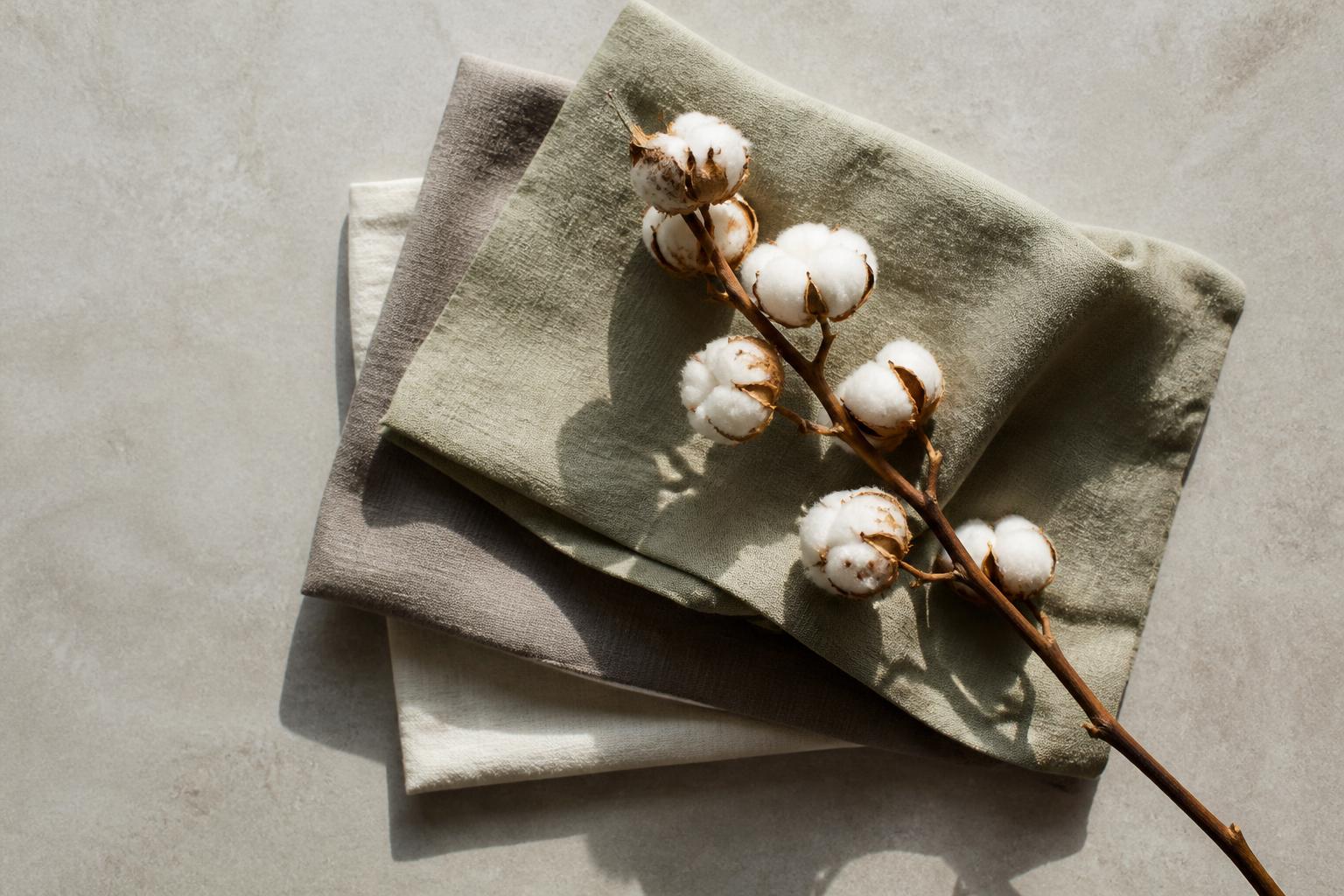
Take cotton. Books should distinguish conventional cotton from organic cotton, and both from broader farming systems such as regenerative claims, if discussed. They should explain that water use depends heavily on region and irrigation method, and that pesticide concerns are not identical across all cotton production. They should also mention processing, dyeing and garment longevity. “Natural fibre” tells you very little on its own.
With polyester, useful books explain feedstock, energy use, durability and wash performance, but they should also address microfibre shedding and end-of-life limitations. Recycled polyester needs especially careful treatment. A book should say whether it is discussing bottle-derived recycled PET, pre-consumer waste or textile-to-textile recycling, because these are not interchangeable in environmental terms or in what they mean for circularity.
Leather is another area where shallow books often fail. A solid treatment will separate livestock impacts from tanning impacts, and chrome tanning from vegetable tanning, while avoiding simplistic assumptions that “vegetable tanned” means low impact across the board. It should also note that leather is often described as a by-product, but that this does not end the argument about allocation, land use or methane. Books comparing leather with synthetic alternatives should be clear about durability, coatings, plastic content and repairability.
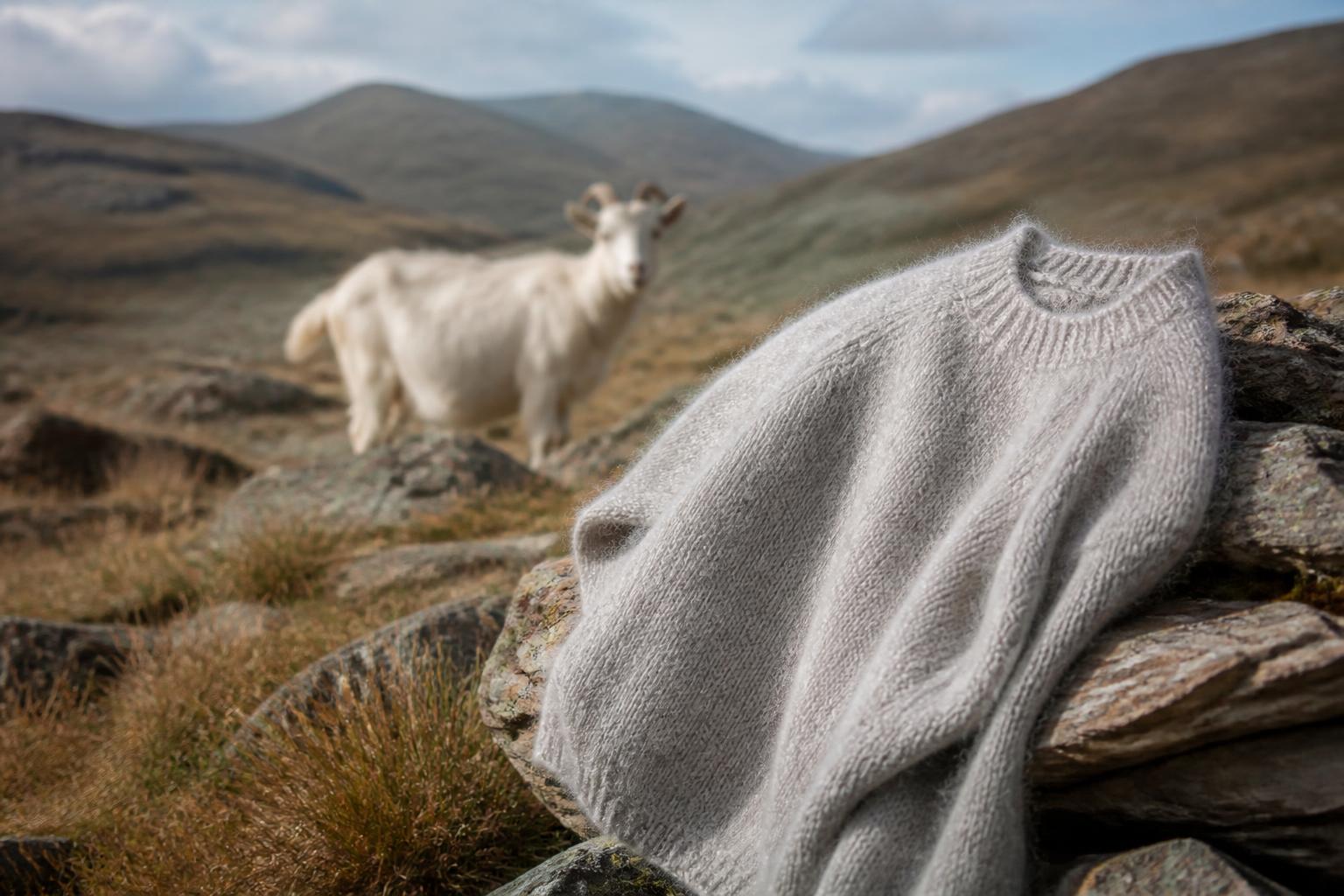
Wool should be discussed through animal welfare, land management, processing and performance. Good books make room for mulesing, traceability and scouring, but they should not imply that all wool comes from the same farming conditions. If alpaca, cashmere or mohair are covered, the same applies. Species, region and husbandry matter.
Viscose and other regenerated cellulosics are often badly handled in mainstream sustainability writing. Books should explain that these fibres are made from plant-derived cellulose, but are not simply “natural” in the way marketing often suggests. The important questions include forest sourcing, pulp traceability, solvent chemistry, wastewater controls and whether the fibre is viscose, modal, lyocell or another variant with a different process profile.
Recycled content also needs precise reading. A book should distinguish recycled input from recyclability at end of life. It should also separate post-consumer from pre-consumer content, and explain that a claim about one component, such as recycled polyester outer fabric, may say nothing about lining, trims, coatings or adhesives.
The broader lesson is that books should train you to ask three practical questions. What exactly is being claimed? What part of the product does it cover? What evidence would be needed to support it? If a title helps you build that habit, it is doing real work.
Where books help with certification and where they fall short
Books are very good at explaining what certification is for, how different schemes emerged, and why labels can never replace broader due diligence. They can also help you understand the categories of standards, material content standards, organic standards, chemical management standards, animal welfare schemes, forest-related systems, social audit frameworks and broader environmental management approaches.
That background is useful because many readers see a label and assume it covers everything. A book can correct that. It can explain, for example, that one scheme may focus on fibre content and chain of custody, another on chemical inputs, and another on farm-level practices. It can also explain the difference between certification of a site, certification of a material flow, and a consumer-facing product claim.
Where books fall short is currency. Standards are revised. Scope notes change. Logo use rules change. Some schemes tighten criteria, others expand into new material categories, and some labels are used in ways that confuse what has actually been certified. For that reason, a book should be your foundation, not your final authority.
This matters especially for UK businesses because our legal and market context is not identical to the EU’s. Many voluntary standards are used across both markets, but legal expectations around environmental claims can differ in wording, enforcement approach and guidance. In the UK, the Competition and Markets Authority’s Green Claims Code is central reading for consumer-facing claims. EU readers may also need to consider separate EU-level consumer protection developments and sector-specific initiatives. A book published even a few years ago may not reflect the latest UK enforcement environment.
The same goes for product safety and chemical compliance. A book may explain why restricted substances matter, but if you need current requirements, you still need the latest scheme documents, supplier declarations, test reports where relevant, and up-to-date legal guidance. Books can teach the concepts behind chain of custody, mass balance and traceability. They cannot tell you whether a supplier’s current certificate is valid, whether a transaction certificate covers your order, or whether a logo can be used on your packaging.
For small brands, the practical rule is simple. Use books to understand the map. Use current scheme documents and legal guidance to make decisions.
A practical reading list for UK readers and small fashion businesses
Rather than claim there is one perfect shelf of sustainable fashion books, we suggest a balanced shortlist, each with a distinct job.
Fashionopolis by Dana Thomas is a strong entry point for readers who want a broad view of how fashion’s production model creates environmental and social strain, and how innovation is often presented as a solution. It is readable and useful for orientation. Its limitation is that it is not a technical manual, and parts of the innovation landscape move quickly. Read it alongside current company evidence, not as proof of present-day material performance.
Wardrobe Crisis by Clare Press is helpful for readers moving from general concern to a more structured understanding of why the industry’s business model matters. It is especially good at making the subject approachable without pretending there is a single fix. Its date matters, though. Claims about newer materials, resale, rental and recycling infrastructure should always be checked against current sources.
To Dye For by Alden Wicker is particularly useful if you want a stronger chemicals lens. It helps correct the common habit of discussing sustainability as if fibres were the whole story. For UK readers and brands, it is best used as a prompt to investigate chemical management, supplier controls and disclosure more closely, not as a substitute for current restricted substances requirements or testing protocols.
Unraveled by Maxine Bédat is valuable on systems, accountability and the human and environmental costs buried inside supply chains. It is a good companion for founders and consumers who need to understand why visibility is difficult and why “ethical” claims can outrun evidence. Pair it with current UK guidance on claims and due diligence, because the policy landscape continues to evolve.
Worn Out by Alyssa Hardy is useful for readers interested in overconsumption, trend cycles and the cultural machinery behind clothing waste. It is less of a technical sourcing guide, but very good for understanding why better materials alone do not solve the problem.
For a deeper materials grounding, older textile reference books and sourcing handbooks can still be valuable, particularly on fibre properties and manufacturing basics. The caution is obvious but important. Older books may be reliable on how fibres behave, yet weak on current climate accounting, newer regenerated fibres, updated certification schemes or present-day recycling claims. Use them for textile literacy, then verify the sustainability layer with newer primary sources.
For jewellery readers, the same reading principle applies. Books can explain mining, refining, recycled metal claims and certification frameworks in broad terms, but current chain-of-custody requirements, responsible sourcing policies and supplier evidence still need checking at source.
Alongside any of the books above, UK readers and small businesses should check primary documents relevant to the claim they are assessing. That may include scheme standards, scope documents, chain-of-custody rules, transaction certificate requirements, brand supplier policies, the CMA’s Green Claims Code, and any available product-level evidence. If the claim concerns animal fibres or specialist materials, targeted reading helps too. Our guides on how to judge bag materials and fashion claims and specific fibre questions such as alpaca can help translate broad reading into practical evaluation.
The best sustainable fashion books do not tell you what to buy or what to say. They train your eye. Once you know how to read scope, trade-offs, evidence and omissions, sustainability language becomes much easier to test. That is the point of the bookshelf, not certainty, but sharper judgement.

Questions about this article or a correction to suggest? Get in touch. Read more about our editorial approach.