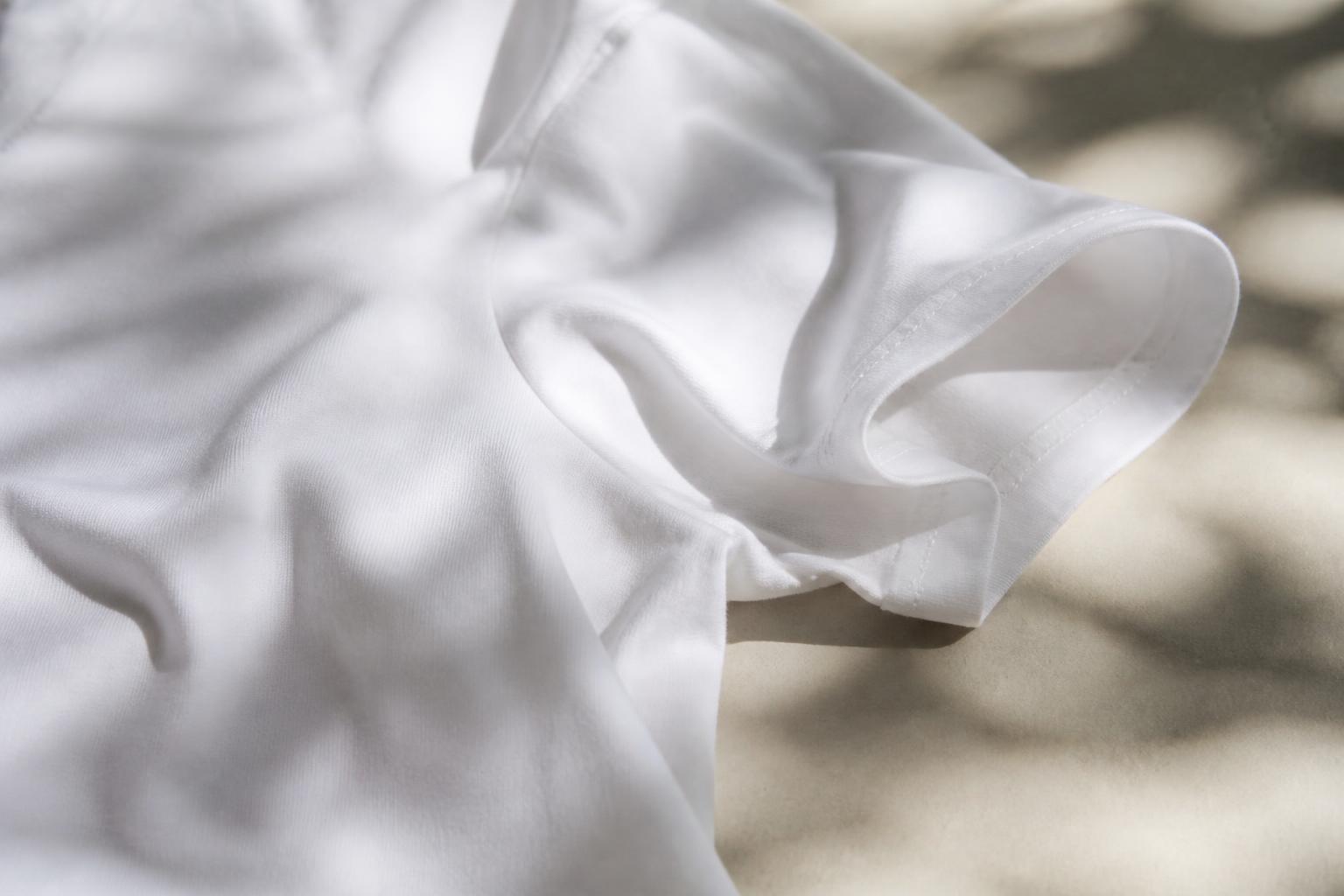
Pima cotton is a type of cotton defined by its fibre length, not by a vague idea of luxury. When people ask what Pima cotton is, the short answer is that it is an extra-long staple cotton, usually used to make smoother, softer and often more durable fabrics than standard short or medium staple cotton. That difference starts in the raw fibre, but it does not end there. Spinning, knitting or weaving, dyeing and finishing all affect how a garment actually feels and wears.
That matters because “Pima” is often used in clothing marketing as if it guarantees quality on its own. It does not. A well made Pima cotton T-shirt can feel excellent and last well, but a weak yarn, a loose knit or poor finishing can still produce a disappointing garment. The useful question is not just whether something contains Pima cotton, but what evidence a brand gives about fibre source, fabric construction and supply chain standards.
What is Pima cotton?
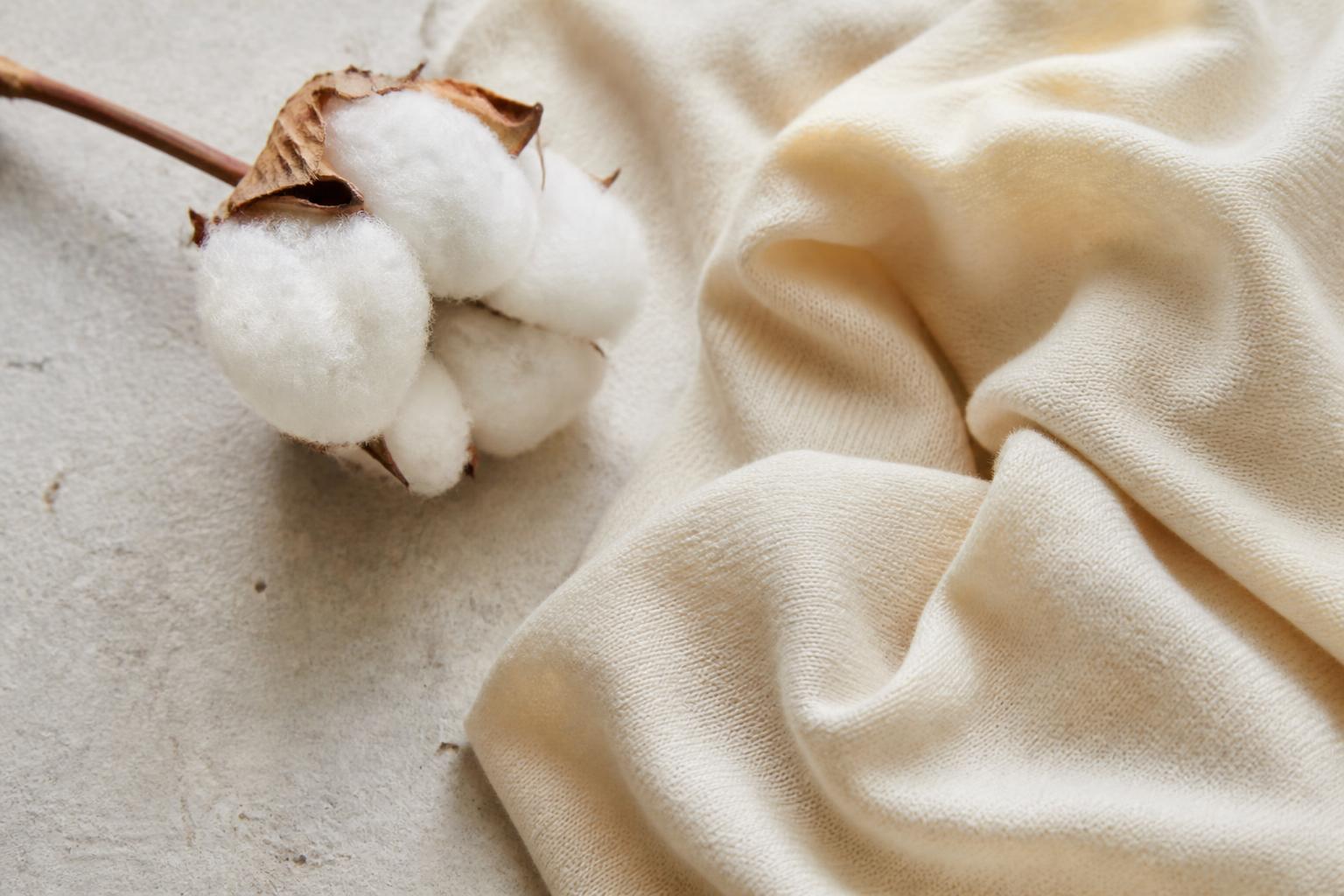
Pima cotton is a name used for cotton with extra-long staple fibres. “Staple” means the length of the individual cotton fibres before they are spun into yarn. Extra-long staple cotton has longer fibres than the cotton used in most everyday mass-market garments.
That longer fibre length matters because it allows mills to spin finer, smoother and often stronger yarns. With fewer fibre ends sticking out, the resulting fabric can feel cleaner and silkier to the touch. It can also pill less readily than lower grade cotton, although pilling still depends on yarn twist, fabric structure and how the garment is washed and worn.
In practical terms, Pima cotton sits apart from generic label wording such as “100% cotton” or “pure cotton”. Those descriptions tell us the fibre type, but not the fibre quality, staple length, farming method or country of origin. A cotton jersey T-shirt and a crisp poplin shirt may both be 100% cotton, while using very different grades of fibre and very different manufacturing choices.
The term is often associated with cotton grown in the United States, Peru and Australia, though origin and naming can become muddled in retail language. You may also see “Supima”, which is not a generic synonym for Pima cotton. It is a licensed trademark for extra-long staple pima cotton grown in the United States and used by approved supply chain partners. If a garment says “Pima”, that does not automatically mean it is Supima, US-grown, or independently verified.
This is where wording matters. “Made with Pima cotton” is not the same as “100% Pima cotton”, and neither phrase tells us how much of the garment is traceable to a specific farm group or spinner. Some labels rely on the halo of the word rather than giving a clear fibre composition or source. If we want to know what Pima cotton is in a meaningful shopping sense, we need to treat it as a technical fibre description first, and a quality signal only when the rest of the manufacturing supports it.
Why do brands use it?
Brands use Pima cotton because it can help them make clothing that feels more refined. The most obvious reason is softness. Extra-long staple fibres can produce a smoother surface and a softer hand feel, especially in jersey used for T-shirts, underwear and sleepwear. For premium basics, that tactile difference is easy for shoppers to notice.
Strength is the second reason, but it needs a little unpacking. Longer fibres can contribute to stronger yarns because there are more points of contact between fibres when they are spun together. That can improve tensile strength and help a garment hold up better over time. But fibre quality is only one ingredient. A very lightweight fabric made from fine Pima yarn may still wear through quickly at stress points, while a heavier, well knitted standard cotton fabric may outlast it.
How the yarn is spun also matters. Combed cotton removes shorter fibres and debris before spinning, which can improve smoothness. Compact spinning can reduce hairiness. Mercerisation can increase lustre and dye uptake. These processes are not exclusive to Pima cotton, but they affect whether the final garment feels polished or ordinary.
Then there is fabric construction. In a T-shirt, a dense single jersey or interlock knit will behave differently from a loose lightweight jersey, even if both use similar fibre. In shirting, a fine poplin will feel different from an oxford cloth. In bedding, sateen and percale made from extra-long staple cotton will not feel alike. So when brands present Pima cotton as the whole story, they leave out the practical decisions that shape performance.
Dyeing and finishing can also change what shoppers experience. Heavy enzyme washing can create immediate softness, but that softness is not the same thing as fibre quality. Silicone finishes can make fabric feel slick on the rail, without saying much about how it will age after repeated laundering. A good Pima cotton garment should still feel good after those finishes wear back.
This is why we prefer to look at the full specification where a brand provides it. Fibre length may explain part of the appeal, but garment quality is built step by step. The same caution applies across materials. We take a similar approach when looking at claims around what lyocell fabric is and how it is made, because the fibre name alone never tells the whole story.
For brands, there is also a commercial reason to use Pima cotton. It gives them a recognisable quality cue in a crowded basics market. “Pima” sounds more specific than “premium cotton”, and when supported by clear sourcing and good fabric development, it can be a fair description. When unsupported, it can drift into shorthand for “nicer than average”, which is less useful.
Is Pima cotton more sustainable?
Not inherently. Pima cotton is a fibre quality category, not an environmental standard. A longer staple fibre does not automatically mean lower impact farming, better labour conditions or stronger traceability. It may correlate with certain regions, farm systems or quality controls, but those are separate questions.
This distinction is important because clothing marketing often blends material quality and sustainability into one story. A brand may imply that because Pima cotton is softer, stronger or more premium, it is therefore the more responsible option. That does not follow on its own.
Water use is a good example. Cotton farming can be water intensive, but the real picture depends on where and how the crop is grown. Rain-fed and irrigated systems are not the same. Local water stress matters more than a generic statement about cotton. Pima cotton grown in one region may face very different water conditions from Pima cotton grown elsewhere. Without location-specific sourcing information, “Pima” tells us little about water risk.
The same goes for pesticides, fertilisers and soil management. Conventional Pima cotton is still conventional cotton unless the brand can show otherwise. Organic certification, regenerative claims or integrated pest management are separate issues and need separate evidence.
Traceability is another area where brands often overstate confidence. Because Pima cotton commands a premium, there is a strong reason to ask how the fibre is kept separate through ginning, spinning, knitting or weaving, dyeing and garment manufacture. If a brand cannot explain whether it uses chain of custody documents, third-party verification or licensed programmes, then the claim may rest mainly on supplier assurance.
Labour conditions should also be kept distinct from fibre quality. A soft, high-grade cotton says nothing by itself about wages, working hours, union rights or health and safety in mills and cut-make-trim factories. Those issues need social auditing, worker voice mechanisms or stronger due diligence processes. In the UK, brands selling into the market increasingly talk about supply chain responsibility in the context of modern slavery reporting and broader ESG expectations, but disclosure quality varies widely. EU due diligence discussions are relevant, yet UK readers should not assume the same legal framework applies in identical form.
If we are comparing cotton claims on labels, it helps to separate them into categories. “Pima” speaks to fibre length and quality. “Organic” speaks to farming rules. “BCI” or “Better Cotton” speaks to a programme model with its own scope and limitations. “Fairtrade” addresses another set of social and trading conditions. These are not interchangeable. For a closer look at one of the most common cotton labels, our guide to what BCI cotton means when you read a clothing label is a useful companion.
There is one sustainability argument that can be fair, if it is phrased carefully. If a garment made from high quality cotton is worn for longer, repaired, resold or handed on because it keeps its shape and feel, that can improve its use phase value. But that is a durability and longevity argument, not proof that the fibre was grown with lower environmental impact. We should keep those ideas separate.
What certifications and labels can actually tell you
A Pima cotton label may sit alongside several other claims, and each one answers a different question.
First, fibre identity and origin claims. If a garment carries the Supima trademark, that indicates the cotton is licensed as US-grown extra-long staple pima cotton within that programme’s system. That is more specific than a generic Pima claim. It still does not tell us that the garment is organic, low impact dyed or ethically made, but it does say more about fibre provenance.
Second, organic certifications. If the cotton is certified organic, the relevant labels are usually tied to standards such as GOTS or OCS. These do not mean the same thing. GOTS covers organic fibre content and also includes processing chemistry criteria and social criteria for processing stages. OCS focuses on verifying the presence and amount of organically grown material in a product and the chain of custody, but it does not cover the same processing and social requirements as GOTS. So if a garment says “organic Pima cotton”, the useful follow-up is which standard, and what that standard actually covers.
Third, recycled content claims. These are less common with Pima cotton, because extra-long staple cotton is generally marketed for its virgin fibre quality. But a brand may blend cotton with recycled cotton or other fibres. Standards such as GRS or RCS can verify recycled content and chain of custody, yet they do not convert a product into an all-round ethical choice. We see similar confusion in other fibres, including what recycled cashmere really means for shoppers.
Fourth, social and environmental factory standards. Labels such as OEKO-TEX Standard 100, MADE IN GREEN, SA8000, Fairtrade, Sedex membership references, or bluesign-related claims all have different scopes. OEKO-TEX Standard 100, for example, is about testing for harmful substances in the finished product. It is not a labour rights certification and it is not proof of organic farming. Fairtrade cotton addresses a different part of the chain and a different set of conditions again.
This is where many shoppers are misled, not necessarily by outright falsehoods, but by labels placed side by side as if they all certify the same thing. They do not. One may verify fibre origin, another chemical restrictions, another recycled content, another social auditing. To read them properly, we have to ask what exact claim each one supports.
There is also a limit to what any certification can tell us. Most standards work by setting criteria for defined stages and checking compliance through audits, documentation and chain of custody systems. That can be useful, but it is not the same as a complete picture of farm impact, worker wellbeing or product longevity. Certifications are evidence, not magic words.
How to check a Pima cotton claim before you buy
The simplest starting point is the fibre composition label. Does the garment say 100% Pima cotton, a Pima blend, or only that it is “made with” Pima cotton? Those are different claims. If the wording is loose, treat it as loose.
Next, look for origin and verification. Is the cotton linked to a named programme, a trademark such as Supima, or a recognised certification? If the brand gives no more than a product description line, ask whether it can provide evidence of source, chain of custody or certification number. A serious claim should be backed by something more concrete than mood-board language.
Then look at the rest of the garment specification. Fabric weight, knit or weave type, combed or mercerised yarn, and care instructions all help explain quality. A Pima cotton T-shirt at 120 gsm will not behave like one at 200 gsm. A fine jersey may drape beautifully but show wear sooner under a backpack or at the waistband. The fibre name is only part of the buying decision.
We also suggest reading sustainability wording with a highlighter’s mindset. Phrases such as “responsibly sourced”, “premium natural fibres” or “better for the planet” are too broad on their own. Better how, and according to what evidence? If a brand is making an environmental claim in the UK, it should be able to substantiate it clearly. The Competition and Markets Authority’s Green Claims Code is relevant here, even though it does not create a fibre-specific rule for Pima cotton. Broad green language without clear proof should make us pause.
Good signs include specific standard names, certification numbers where applicable, named sourcing regions, explanation of what is and is not certified, and clarity on whether a claim applies to the fibre, the finished garment, or only one stage of production. Weak signs include luxurious adjectives standing in for evidence, or a page full of sustainability imagery that never states what has actually been verified.
For small fashion businesses, the same framework applies when speaking to suppliers. Ask for fibre specifications, transaction certificates where relevant, chain of custody details, and exact wording you are allowed to use in product descriptions. If you cannot support a claim after the cotton leaves the spinner or fabric mill, do not overstate it on your label or website.
In the end, the best way to judge a Pima cotton claim is to separate three questions. First, is it really Pima cotton, and in what proportion? Second, is the garment well made enough to benefit from that fibre quality? Third, what evidence is there for any environmental or social claim attached to it? When we keep those questions apart, the label becomes much easier to read, and much harder to game.

Questions about this article or a correction to suggest? Get in touch. Read more about our editorial approach.