Price, polish and a persuasive origin story do not tell us very much on their own. If we want to judge luxury sustainable fashion brands properly, we need to look for evidence that survives contact with real supply chains. That means named standards, clear material specifications, traceability that goes beyond a country label, and claims framed within sensible boundaries.
The useful question is not “does this brand sound ethical?” but “what exactly has it shown us?” A credible luxury label should be able to explain what fibre or skin it uses, where the key processing stages took place, which parts are certified, and what is still not verified. The more expensive the product, the less acceptable it is to hide behind mood boards and broad promises.
What makes a luxury fashion brand more credible
A credible luxury brand gives us information that can be checked. That does not mean every supplier must be named publicly, but it does mean the brand should disclose enough to show that its claims are based on records, contracts and audits rather than aspiration.
Start with specificity. “Responsibly made”, “conscious”, and “crafted with care” are branding language, not evidence. By contrast, “woven in Biella from RWS-certified wool”, “assembled in a named factory in Portugal”, or “made with GOTS certified organic cotton, certified by a named certification body” are claims we can examine.
Next, look for consistency across the whole product story. If a handbag is presented as low impact because the leather is a by-product, but there is no mention of the tannery, tanning chemistry, metal hardware, lining or edge paint, the environmental framing is incomplete. If a fine jewellery brand talks about recycled gold but says nothing about gemstones, plating, solder, or where setting took place, we are only seeing one slice of the picture.
Luxury should also mean control. A serious brand usually knows its mills, tanneries, workshops and subcontractors, even when it does not publish every name. It should be able to describe which stages it manages directly, which are outsourced, and how quality and compliance are checked. Vague references to “our trusted partners” are not enough if there is no sign of due diligence.
Finally, credibility often shows up in what a brand does not claim. We trust brands more when they define limits. For example, saying “this collection uses recycled cashmere, but we are not yet able to trace all virgin wool to farm level” is stronger than implying full traceability where none exists. We have covered similar warning signs in our guide to greenwashing risk in fashion claims.
Which materials claims stand up to scrutiny
Material claims are where luxury branding often becomes most romantic, and where careful reading matters most.
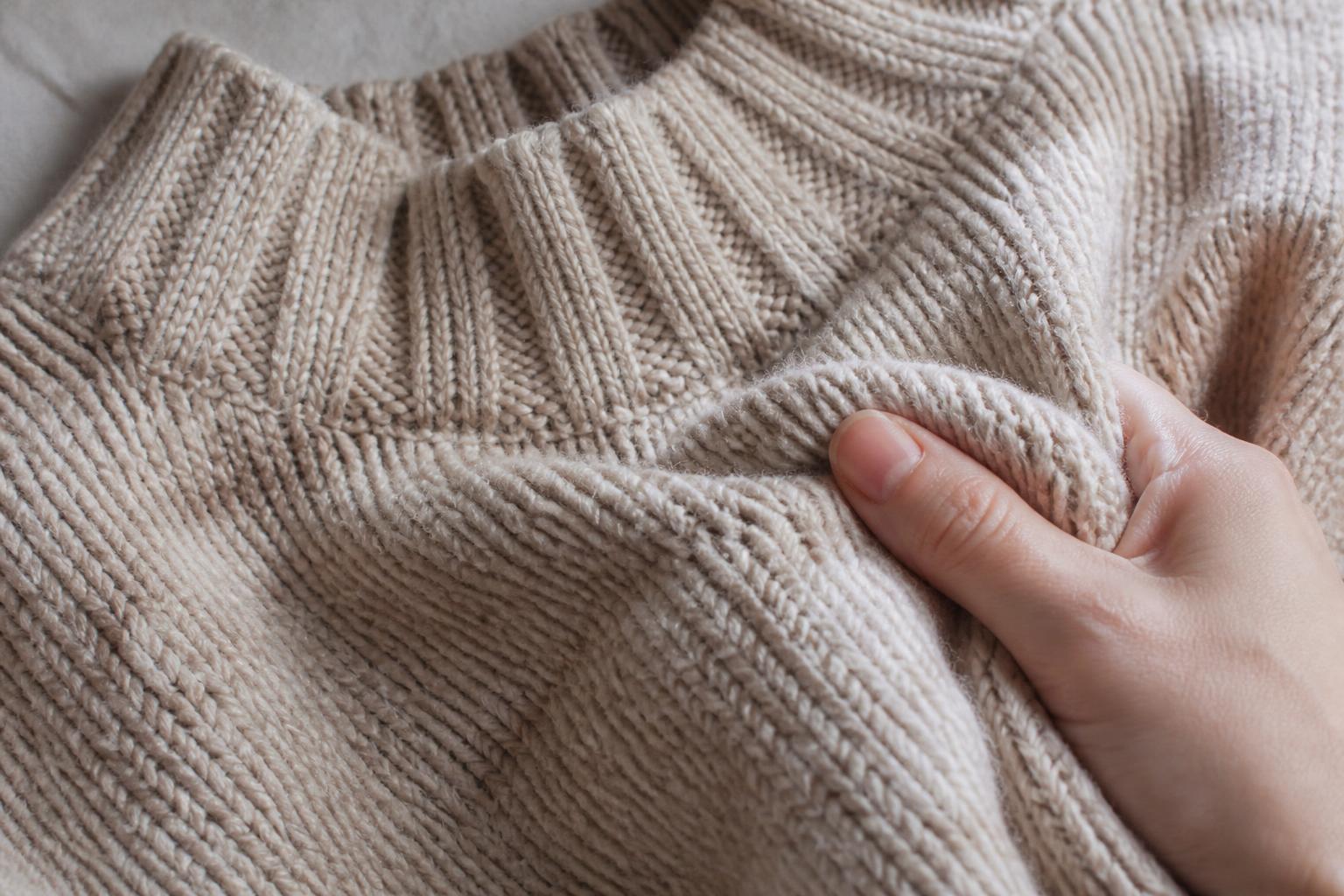
Cashmere needs particular caution. “Mongolian cashmere” or “premium cashmere” says little about grazing pressure, animal welfare, fibre blending, or processing. Better evidence includes a named standard, clear fibre composition, and disclosure on whether the product uses virgin, recycled or mixed cashmere. If a brand claims lower impact cashmere, we should expect some explanation of sourcing region, herd management approach if relevant, and whether the claim covers farming only or also spinning, dyeing and knitting.
Wool claims vary widely. Merino, lambswool and Shetland describe fibre type or origin, not environmental or welfare performance. If welfare is part of the claim, readers should look for a standard such as Responsible Wool Standard, and for clarity on whether the entire product or only the wool fibre is covered. Regenerative wool is increasingly used in luxury marketing, but unless the brand explains the underlying framework, who verified it, and what practices were assessed, the term remains too loose to carry much weight.
Silk is another area where aesthetics can outrun evidence. “Peace silk” and “ahimsa silk” are often presented as inherently better, but brands should explain what they mean operationally, who verifies the claim, and how the fibre was processed. Conventional silk can involve multiple farming and processing stages, and a sustainability claim that only addresses one point in the chain is limited.
Leather requires brands to be especially precise. Calling leather a by-product does not resolve questions about livestock systems, tanning chemistry, wastewater controls or traceability. Better leather claims identify the tannery, the tanning approach where relevant, and whether the leather is certified under a scheme such as Leather Working Group. Even then, a tannery rating is not a blanket guarantee for the whole product. It tells us something useful about tannery management and environmental practices, not everything about the farm origin or the finished bag.
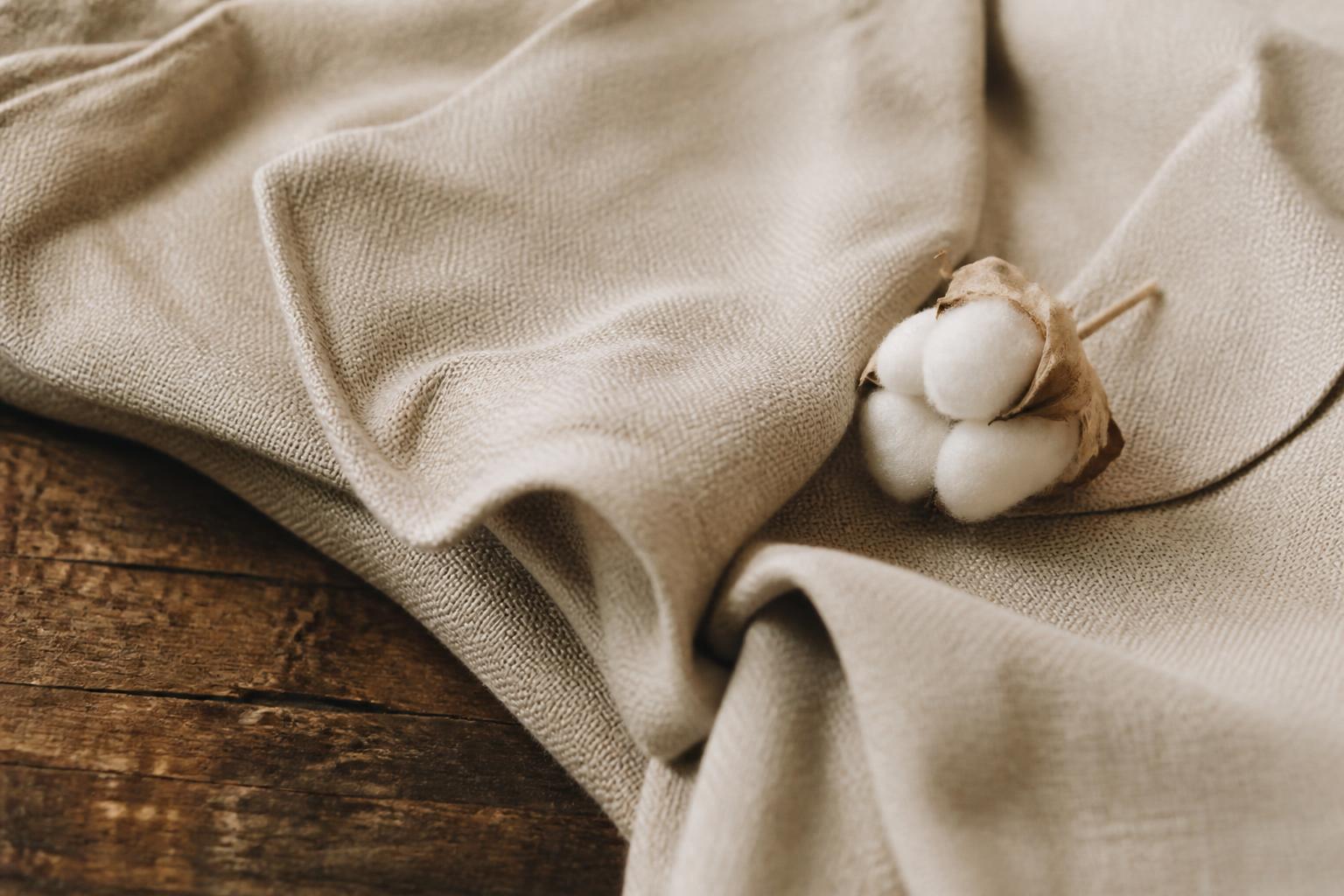
Organic cotton is one of the easier claims to understand, but it still needs care. A credible claim should state whether the cotton is certified organic and under which standard. For finished textiles, GOTS is often more meaningful than a raw fibre claim alone because it covers processing as well as fibre content within its scope. A brand that simply says “made with organic cotton” without certification details may still be truthful, but it is asking us to rely on trust rather than third party evidence.
Recycled fibres can be valuable, but the details matter. Recycled polyester may reduce demand for virgin fossil feedstock, yet it does not remove microfibre shedding concerns. Recycled wool or recycled cashmere can lower pressure on virgin fibre production, but quality, durability and blend percentages should be stated clearly. We should also ask whether “recycled” means pre-consumer, post-consumer, or a mix. Those are materially different supply chains.
Newer alternatives, especially in leather substitutes, need disciplined reading. “Bio-based”, “plant-based” and “vegan leather” are not interchangeable. Many so-called plant-based materials still rely on polyurethane or other synthetic binders and coatings. A brand should say what percentage comes from plant input, what the backing fabric is, how durable the material is expected to be, and whether repair is realistic. Without that, the claim is more about image than performance.
What certifications can and cannot prove
Certifications are useful tools, but they are often misunderstood. They verify specific things within a defined scope. They do not certify a brand’s entire moral character.
For fibres and textiles, readers in the UK will most often encounter standards such as GOTS, Organic Content Standard, Recycled Claim Standard, Global Recycled Standard, Responsible Wool Standard, Responsible Mohair Standard and Responsible Down Standard. Each answers a different question. Some focus mainly on chain of custody and content. Some include environmental and social criteria. Some apply to farms, some to processing sites, some to finished products.
That distinction matters. A product made with GRS certified recycled fibre is not automatically low impact overall. A garment carrying a fibre standard does not tell us much about design longevity, overproduction, freight choices or whether trims were also covered. Likewise, a wool certification may address animal welfare and chain of custody, but not every environmental impact a shopper might assume it covers.
For leather, Leather Working Group is widely referenced. It can be a helpful sign that a tannery has been assessed against environmental management criteria, but it does not certify the entire handbag or shoe, and it does not by itself prove that the hide came from a low impact livestock system.
For jewellery, recycled precious metal claims and responsible sourcing standards can be meaningful, but they are often narrower than the branding suggests. A recycled gold claim may apply to the metal content while leaving gemstone origin, cutting, treatment disclosure and plating outside the headline message.
Certification also depends on how the claim is written. In the UK, consumer protection law expects environmental claims to be clear and not misleading. If a brand says a product “is certified”, readers should be able to tell what is certified, by whom, and to what standard. If only the fibre input is certified, that should not be presented as though the whole item has been independently endorsed in every respect. Similar principles apply across the EU, though enforcement structures differ by country.
The most reliable brands usually provide certificate numbers, certification body names, or at least enough detail for a buyer or stockist to verify the standard used. Small brands in particular benefit from building that evidence trail carefully, as we set out in our guide to evidencing product claims clearly.
How to read sourcing and traceability evidence
Meaningful traceability is not a map graphic and a list of countries. It is a chain of identifiable stages.
For natural fibres, the strongest disclosure usually starts at farm or group scheme level, then moves through scouring, spinning, weaving or knitting, dyeing and garment manufacture. Not every brand can disclose every site publicly, but a credible one should be able to state which stages are traced and which are not. “Made in Italy” on a coat may refer only to final substantial transformation under origin rules. The wool could have come from elsewhere, been spun in one country, woven in another, and finished in Italy. That does not make the label false, but it does make it incomplete.
For leather goods, good traceability evidence includes the tannery name, tannery country, and ideally some indication of hide origin if the brand is making farm-linked or regional sourcing claims. If a bag is described as “Italian leather”, readers should ask whether that means the animal was raised in Italy, the hide was tanned in Italy, or simply that the material passed through an Italian tannery. Those are different claims.
For factory disclosure, names and addresses are ideal, but even where brands do not publish them, they should still be able to state whether production is in owned facilities, long term partner workshops, or through agents. Luxury positioning carries an implied promise of close oversight. We should expect evidence of that oversight.
Jewellery adds another layer. Traceability may need to cover precious metals, gemstones, cutting and polishing, casting, setting and plating. “Recycled silver” can be straightforward if the supplier provides chain of custody documentation. Gemstones are often more complex. A brand making ethical gemstone claims should say whether it can trace to mine, trader, cutting facility, or only to a wholesaler. If treatment disclosure matters to the value proposition, that should be stated too.
Country-of-origin statements deserve careful reading in both fashion and jewellery. In the UK, origin marking rules and consumer law do not allow misleading origin claims, but “Made in” still has legal and commercial nuances. In the EU, similar principles apply, though product-specific rules and customs treatment can differ. For readers, the practical point is simple, origin wording rarely tells the whole sourcing story unless the brand expands on it.
How to compare environmental claims fairly
Environmental claims become more useful when they are framed as comparisons with boundaries, not as halos.
If a brand says a product has a lower impact, lower than what, and measured how? A fair claim should identify the baseline. Is the comparison against the brand’s previous version, a conventional material average, or an internal benchmark? It should also tell us which impact categories are included. Water, climate, land use, toxicity and biodiversity are not interchangeable.
Circularity claims need the same discipline. “Circular” is often used for products that are only partially recyclable, or for take-back schemes that collect items without proving what happens next. A stronger claim explains whether the product is repairable, mechanically recyclable, chemically recyclable, compostable in industrial conditions, or simply designed for longer use. It should also identify barriers such as fibre blends, bonded components, coatings or mixed hardware.
Emissions claims are another area where precision matters. “Carbon neutral” can conceal more than it reveals if a brand does not state whether it reduced emissions first, what scopes were counted, and how any residual emissions were addressed. For most fashion products, we would expect a credible brand to separate measured emissions, reduction actions and any use of offsets or credits. Offsetting is not the same as eliminating impact.
Claims around durability should also be handled carefully. Luxury often implies longevity, but a claim that a product “lasts longer” needs evidence in design, construction and aftercare. Repair services, spare parts, re-soling, re-lining, refinishing and care guidance all strengthen a durability claim because they show the brand has thought beyond the point of sale.
For readers comparing brands, the fairest approach is to reward clarity rather than perfection theatre. A brand that says “our silk is traceable to mill level, our cotton is GOTS certified, and our leather remains our weakest category” is giving us something solid to work with. A brand that says “we are fully sustainable” is not.
When we assess luxury sustainable fashion brands, we should expect beautiful design and good information at the same time. The test is not whether every impact has been solved. It is whether the brand shows us what it knows, separates verified facts from ambition, and avoids using one good detail to blur everything else. If you want a sharper eye for that distinction, our piece on how to spot greenwashing before you buy fashion is a useful next read.

Questions about this article or a correction to suggest? Get in touch. Read more about our editorial approach.