When a fashion or jewellery brand talks about sourcing, the useful question is not whether the wording sounds caring. It is whether the claim is specific enough to test. Good sourcing information tells us what material is being discussed, where in the supply chain the brand has visibility, which standard or process applies, what is still unknown, and when the information was last checked.
That matters because sourcing claims often blur together very different things. A brand may be talking about labour conditions at a cut and sew factory, traceability for recycled gold, farm level standards for cotton, or a broad corporate code of conduct that says little about a particular product. If we want to judge responsible sourcing properly, we need to separate those layers and ask for evidence at the right level.
What responsible sourcing actually covers
In clothing and jewellery, responsible sourcing usually means the process a business uses to choose, check and manage materials and suppliers against social, environmental and governance risks. It is narrower than a brand’s overall ethics story, but more useful.
For fashion, that can include questions such as these. Where was the fibre grown or made. Which mill spun, wove, knitted, dyed or finished it. Was there due diligence on forced labour risks, wastewater, hazardous chemicals, deforestation, animal welfare or land use. Is there a chain of custody for a claimed recycled or organic input. Which factories actually handled the product.
For jewellery, the questions shift. Where did the mined or recycled metal come from. Was the refiner audited. Is the brand relying on mass balance, segregated material or a recycled content declaration. Are gemstones traceable to a mine, a cutting facility, both, or neither. Is there due diligence for conflict affected and high risk areas. How does the business handle scrap, plating, solder, findings and mixed metal components.
This is different from broad brand level claims such as “ethical”, “sustainable”, “conscious” or “kind to the planet”. Those phrases may reflect genuine work, but on their own they do not tell us what was sourced, how it was checked, or what the scope is. A supplier code of conduct, for example, is not the same thing as evidence that a particular garment’s cotton was certified organic or that a ring’s gold came through an audited chain.
In the UK, this distinction also matters legally. General environmental claims made to consumers are expected to be clear, specific and substantiated under consumer protection rules, including the Competition and Markets Authority’s Green Claims Code. For larger businesses, modern slavery reporting under the Modern Slavery Act 2015 may also exist, but a statement under that Act is a due diligence document, not proof that every material or supplier has been fully traced.
Which evidence matters most when a brand makes a sourcing claim?
The strongest sourcing claims are usually backed by a combination of disclosure, documents and clear limits.
First, look for supplier disclosure. A credible fashion brand should be able to say at least where final assembly happens, and ideally name or list the factories involved. Better still, it will also disclose key processing stages such as fabric mills, tanneries or major jewellery workshops. Full public disclosure is not universal, especially among small brands, but if a company says sourcing is central to its identity, some meaningful transparency should follow.
Second, look for chain of custody evidence. This is especially important when the claim depends on a specific material attribute, such as organic cotton, recycled polyester, FSC viscose, recycled silver or Fairtrade gold. Chain of custody records show whether the claimed material can be tracked through the supply chain. Depending on the standard, this may involve transaction certificates, scope certificates, invoices carrying certified references, or batch records from refinery to manufacturer. Without that paperwork, a claim may rest only on a supplier promise.
Third, read due diligence statements carefully. A serious due diligence explanation should identify the main risks in the supply chain, say how suppliers are assessed, explain what happens when problems are found, and set out who is covered. It should also distinguish direct suppliers from deeper tiers. Saying “all suppliers must follow our code” is a start, but not much of one unless the brand explains how compliance is checked and where visibility stops.
Fourth, ask for material specific evidence. Different materials require different proof. If a brand says a jumper is made with responsible wool, we want to know whether that means certified farm practices, recycled content, animal welfare requirements, or simply country of origin. If a jeweller says a piece uses recycled gold, the useful follow up is whether the gold came from a refiner with audited recycled feedstock controls, and whether the claim applies to the whole piece or only part of it.
There is also a difference between product level and portfolio level claims. “We use certified cotton in this shirt” is a product claim. “Most of our cotton is certified” is a portfolio claim. Both can be valid, but they are not interchangeable. The first needs product records. The second needs a defined reporting period, a methodology and a percentage or at least a clear scope.
What certification can and cannot tell you
Certification can be very useful, but only if we understand what it covers. A standard may apply to one material, one process stage, one set of impacts, or one part of a product. It rarely answers everything.
In textiles, common examples include standards for organic fibres, recycled content, forest based fibres, chemical management and leather processing. In jewellery, standards may apply to mining, refining, chain of custody, workplace practices or specific precious metals. Some schemes certify sites. Some certify products. Some certify management systems. Some allow mixing models that support sourcing controls without guaranteeing physical segregation from source to finished item.
That means the right question is not “is it certified?” but “certified for what, at which stage, and under which chain of custody model?” If a dress is made with certified organic cotton, does that cover only the fibre, or also dyeing and finishing chemistry. If a necklace is sold as using recycled silver, is the silver covered through an audited chain, or is the claim based on a supplier declaration. If a tannery is certified to a leather processing standard, does that tell us anything about farm level cattle welfare or deforestation risk. Often, not directly.
Certification also has practical limits. Audits are periodic, not continuous. Scope certificates can lapse. Subcontractors may sit outside the visible chain. Trims and small components are often overlooked. A coat may use certified wool in the outer fabric but have conventional lining, interlining, buttons and thread. A ring may use audited precious metal but set stones with little traceability. Those gaps do not make the certified part meaningless, but they do matter.
For this reason, we treat certification as one form of evidence, not the whole case. It is strongest when paired with clear supplier disclosure, up to date chain of custody records and plain language about exclusions.
How responsible sourcing works differently for fibres, leather and metals
The sourcing questions for cotton, cashmere, leather, gold and silver are not interchangeable, because the risks arise at different stages.
For fibres, the first questions are usually about farm level impacts and processing. With cotton, that might include pesticide use, irrigation pressure, labour conditions and whether the fibre is organic, recycled or conventionally grown. With man made cellulosics such as viscose, the key issues often include forest sourcing, pulp traceability and chemical processing. With animal fibres such as wool, silk or cashmere, animal welfare, grazing pressure, herding livelihoods and scouring or dyeing impacts may matter. We look for evidence that matches the fibre in question, not generic language. For readers comparing specific materials, our guides on whether silk is a responsible fabric choice and whether cashmere is ethical for UK shoppers show how those questions change by fibre.
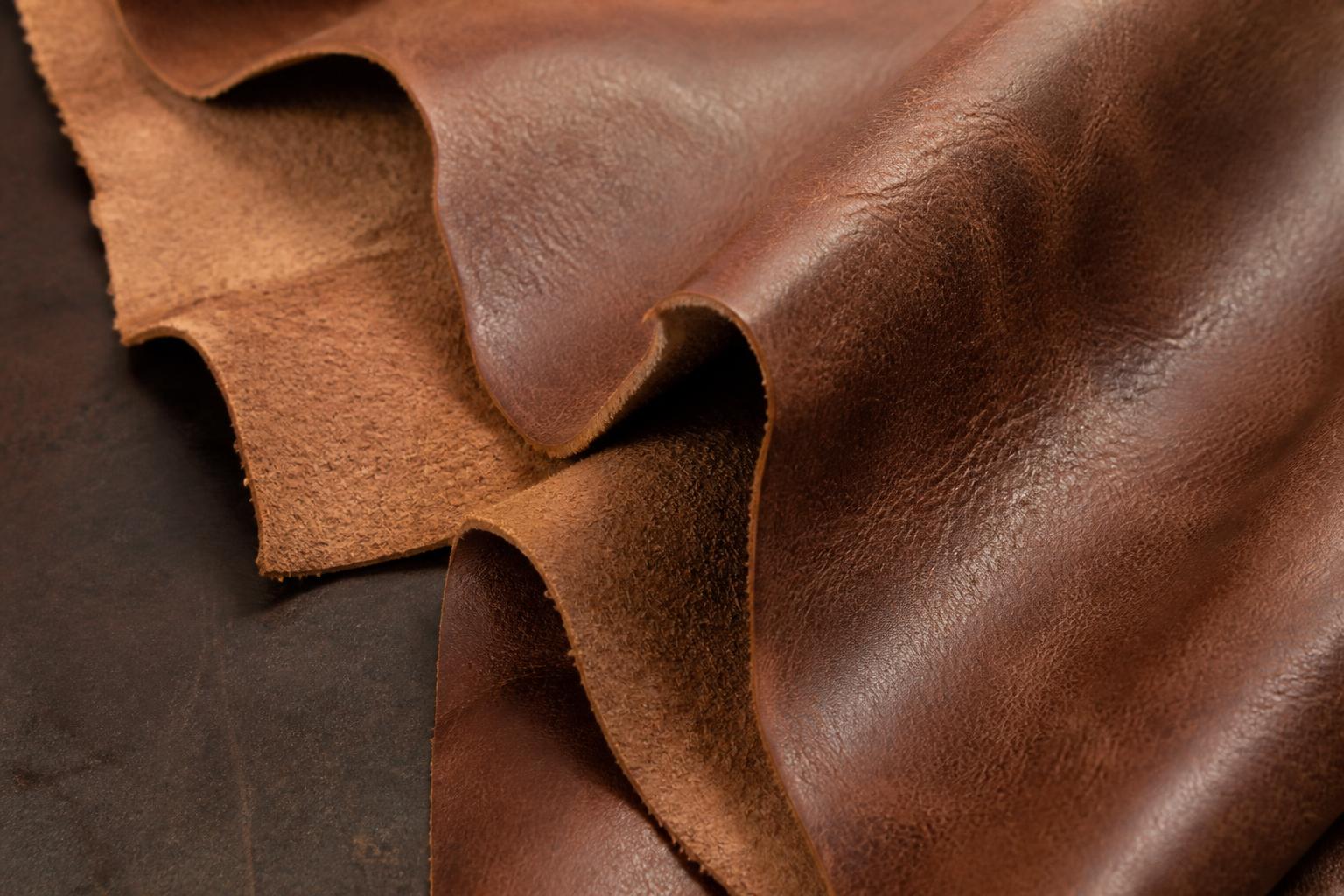
Leather sits in a more complicated position because it links livestock systems, slaughterhouse outputs, tanning and finishing. A common weak claim is that leather is “just a by product”, as if that settles the sourcing question. It does not. We still need to ask about traceability to origin, tanning chemistry, wastewater controls, worker safety, chromium management, and whether the material is full grain, split, coated, bonded or mixed. We also need to know whether a leather claim is about waste reduction, durability, lower impact tanning, or livestock system assumptions. We unpack some of that in our piece on whether leather is really just a by-product.
Metals are different again. Gold and silver can be recycled repeatedly without the same fibre degradation issues seen in textiles, but the sourcing challenge is often traceability through refiners and traders. Responsible sourcing in jewellery frequently turns on OECD aligned due diligence for mineral supply chains, refiner audits, sanctions and conflict risk controls, and the distinction between mined and recycled feedstocks. A brand may know its direct casting workshop very well while having limited visibility into gemstone cutting or historical scrap flows. That is why jewellery claims should say whether they refer to metal, stones, or both. Our guide to how to judge responsible jewellery sourcing in the UK goes into more detail on those evidence points.
None of this leads to a simple ranking in which one category is always “good” and another always “bad”. The right judgement depends on the exact material, the supply chain controls, the quality of the evidence and the honesty of the explanation.
How to spot weak or overstated sourcing language
Weak sourcing language usually has one of five problems.
The first is vagueness. Phrases like “responsibly made”, “planet friendly materials” or “ethically sourced components” sound reassuring but tell us almost nothing. A useful claim names the material and the basis of the claim.
The second is missing scope. If a brand says “made with recycled materials”, does that mean the outer fabric only, or the whole product. If a jeweller says “sustainably sourced gold”, is that all gold across the collection, one line, or one pendant. Scope should be explicit.
The third is absent dates. Supply chains change. A sourcing statement from two or three years ago may no longer describe current suppliers or certification status. Good information says when it was last updated, and whether it refers to the current season, the last financial year, or a named reporting period.
The fourth is unsupported environmental or ethical leaps. “Recycled” does not automatically mean low impact in every respect. “Local production” does not prove fair labour conditions. “Certified” does not mean every component is covered. “Natural” does not mean biodegradable in the finished product, especially where coatings or blends are involved.
The fifth is confusion between policy and performance. A supplier code, a restricted substances list or a no child labour statement may all be necessary, but they are commitments. They are not evidence that a specific sourcing outcome has been achieved.
We are also cautious when brands use percentages without context. “Ninety per cent preferred materials” is not very informative unless the business defines “preferred”, names the standards included, explains whether the figure is by weight, spend or units, and states the time period. The same applies to jewellery claims about recycled content, traceable stones or audited suppliers.
What better sourcing information looks like in practice
Better sourcing information is concrete enough that a careful reader, buyer or small brand could follow the logic.
For clothing, we expect to see the material named clearly, the relevant supplier stage identified, and the basis of the claim explained. For example: organic cotton certified to a named standard, sourced through a named spinner or mill, with chain of custody documentation held for the fabric used in this style. Or: leather from a named tannery certified to a named processing standard, with the limits of farm level traceability stated plainly. If the brand cannot disclose every supplier publicly, it can still explain what it knows and what it does not.
For jewellery, better information usually includes the type of metal, whether it is mined or recycled, which refiner or certified supply chain is used, whether the claim applies to all precious metal in the piece, and what evidence sits behind any gemstone statement. If traceability is partial, that should be said directly. “Recycled sterling silver from audited refiners, stones sourced through long term suppliers but not mine traceable” is far more credible than a blanket claim of ethical sourcing with no detail.
For both sectors, good explanations also include process. How are suppliers onboarded. Which documents are checked. Are there site audits, third party assessments, transaction certificates or batch records. How are subcontractors handled. What happens if a supplier fails. Is there a grievance route. Does the business review country risk, sanctions risk or forced labour risk. These details matter because responsible sourcing is not a label to be applied once. It is an ongoing management practice.
Small fashion businesses sometimes worry that if they cannot trace every tier perfectly, they should say very little. We think the better approach is precise honesty. State what is verified, what is in progress, and what is outside current visibility. Customers can usually handle complexity. What damages trust is polished certainty without evidence.
For readers shopping online, the practical test is simple. After reading a sourcing claim, can you answer these questions: what material is being discussed, where in the chain the claim applies, what proof supports it, what is excluded, and when the information was last updated? If not, the claim may still be true, but it has not yet been explained well enough to carry much weight.
That is ultimately how we judge sourcing claims in fashion and jewellery. We do not ask for perfection or slogans. We ask for scope, evidence, dates and plain language. When a brand gives us that, we can see the trade offs clearly and decide whether the claim deserves our trust.

Questions about this article or a correction to suggest? Get in touch. Read more about our editorial approach.