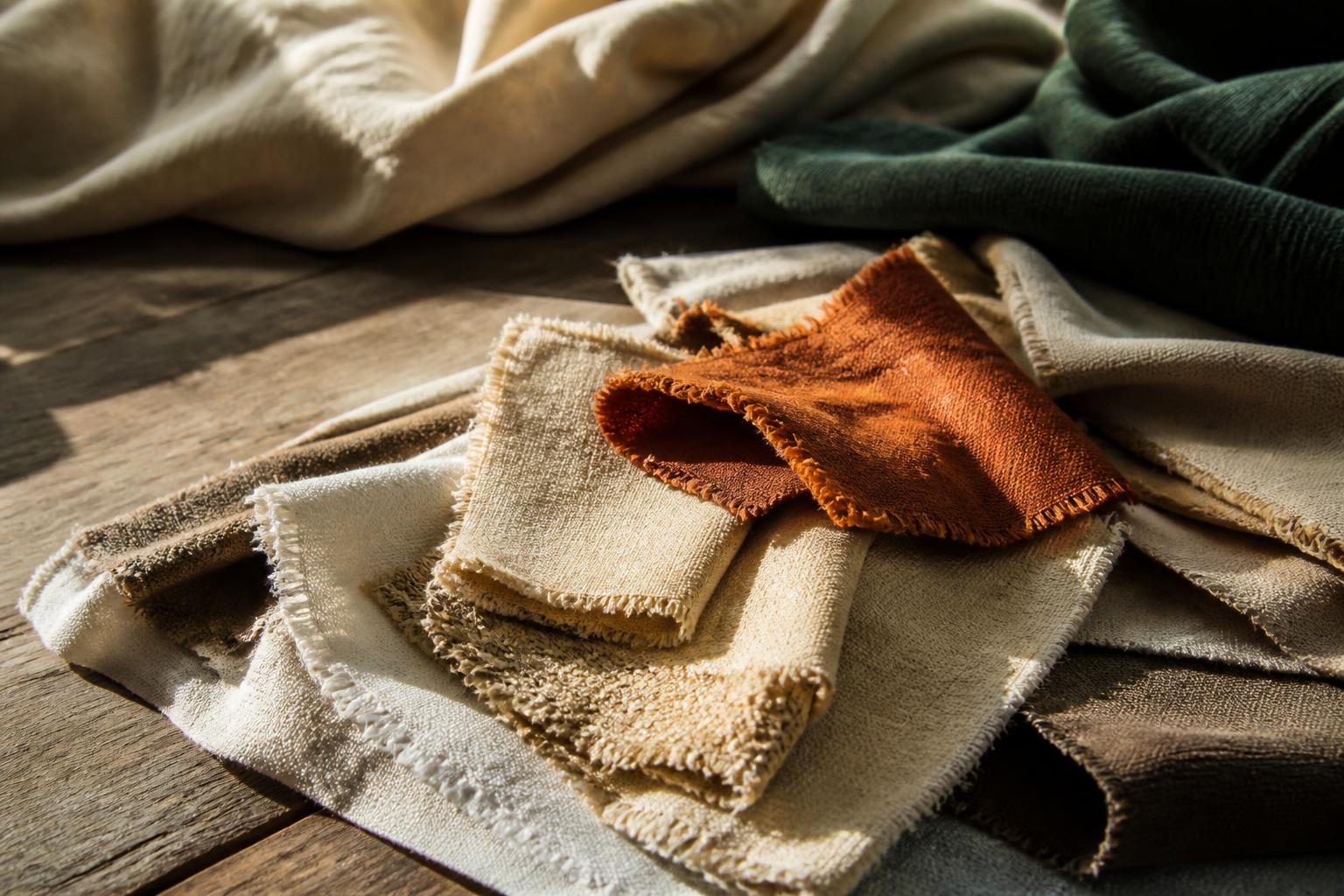
The UK fashion materials market is not a single marketplace with one clear set of winners and losers. It is a chain of linked decisions, from fibre farming and polymer production to spinning, dyeing, tanning, plating, assembly, transport, use and end of life. When people ask whether a material is “better”, they are usually asking several different questions at once, about climate impact, water use, chemicals, animal welfare, worker protections, durability, recyclability and price.
That is why the sustainable fashion market can look confusing from the outside. Material choice matters, sometimes a great deal, but it never tells the whole story on its own. A recycled fibre with weak traceability, a natural fibre grown with heavy chemical inputs, or a responsibly sourced metal used in a throwaway product can all complicate a simple claim. For UK readers and small brands, the useful question is not “which material is perfect?” but “what exactly is being claimed, and what evidence supports it?”
What people mean by the fashion materials market
In practice, the fashion materials market covers the upstream side of clothing, footwear, accessories and jewellery. That includes raw material production such as cotton growing, sheep farming, forestry for cellulosic fibres, oil and gas feedstocks for synthetics, cattle hides, and mined or recycled precious metals. It also includes conversion and processing, spinning yarn, weaving and knitting fabric, dyeing, finishing, tanning leather, refining metals, cutting gemstones, casting components and making trims.
For garments, the chain usually runs from fibre to yarn, fabric, wet processing, cut-make-trim and then distribution. For jewellery, the route is different but the same logic applies. The impact sits not only in the base material but in extraction, refining, plating, stone sourcing, workshop conditions and product longevity. A gold vermeil necklace and a sterling silver ring do not just differ by appearance or price. They differ by metal origin, recycled content, plating thickness, repairability and how clearly those details are disclosed.
When people talk about the fashion materials market, they often mean the part of the industry where environmental and ethical claims start. “Organic cotton”, “recycled polyester”, “FSC viscose”, “responsibly sourced wool” or “recycled silver” are all material-led claims. But those claims sit inside a larger supply chain. A fibre can be certified at farm level, then lose traceability later if chain-of-custody controls are weak. A fabric can contain recycled content, but still be dyed in a high-risk wet processing facility with poor wastewater controls. A leather tannery can improve chemical management, while the brand still says little about hide origin or product durability.
This is also why the sustainable fashion market should not be reduced to a fabric swatch. Design and business model matter. How long a product lasts, whether it can be repaired, whether components can be separated for recycling, and whether overproduction is built into the brand’s model all affect real-world impact. Material choice is important, but it is one lever among several.
Which fibres and materials shape the market most
Polyester remains one of the most influential fibres in fashion because it is cheap, versatile and widely available. It performs well in sportswear, linings, fleece and blended fabrics. The scrutiny around polyester is equally clear. It is fossil fuel based, sheds microfibres and is difficult to recycle back into equivalent textile applications at scale, especially when blended with elastane or cotton. Recycled polyester is often presented as an improvement, and in some cases it is, but the source matters. Most supply still comes from recycled PET bottles rather than old garments, which means it is not necessarily evidence of a circular fashion system.
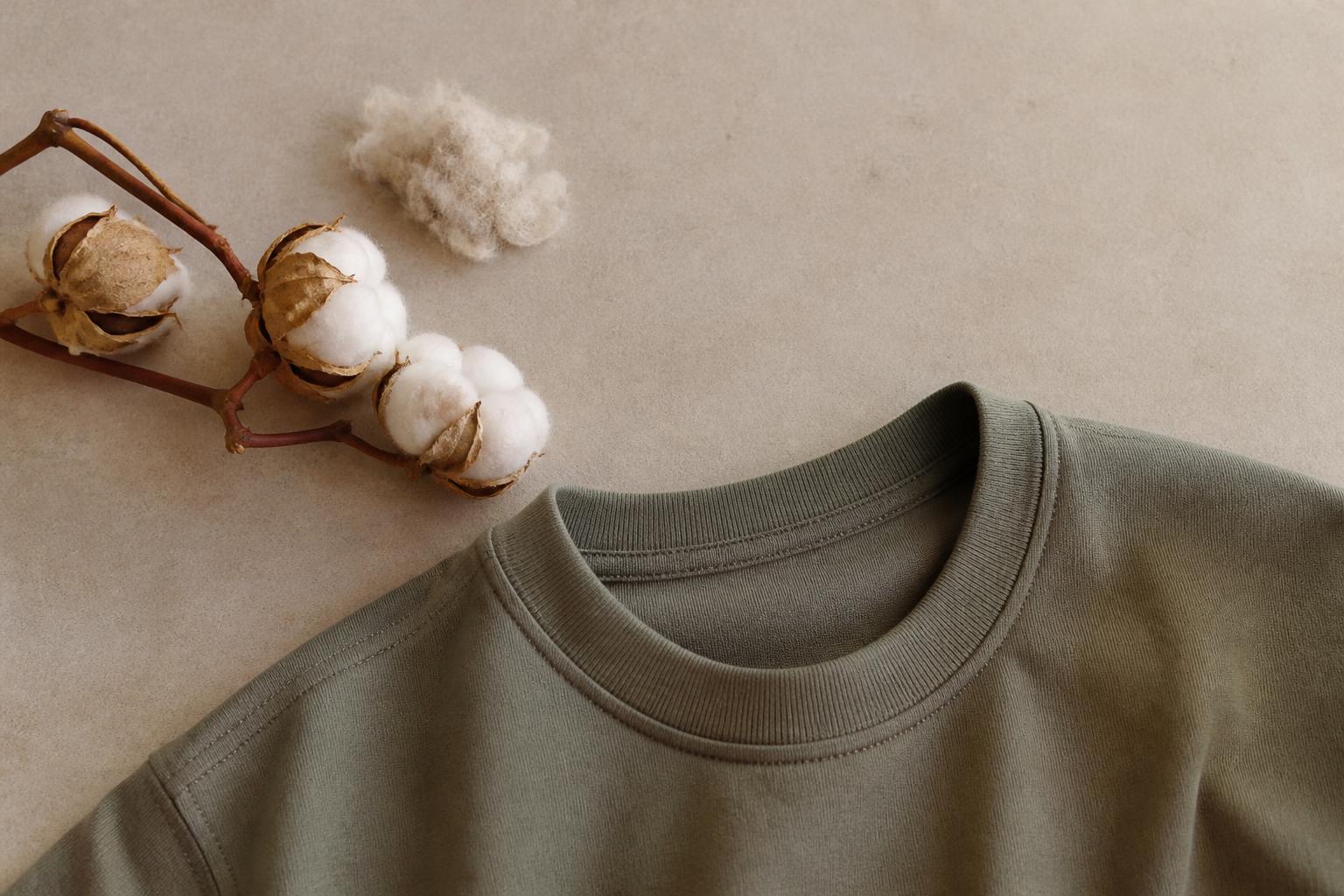
Cotton continues to shape the market because it is familiar, breathable and easy to market. Its trade-offs are regional and agricultural. Cotton can involve high pesticide use, water stress in some growing regions and serious labour concerns in others. At the same time, cotton is biodegradable in principle, can be durable, and has well-established certification routes for specific claims. Organic cotton addresses certain input-related issues, but it does not by itself guarantee lower overall impact in every category, nor does it prove fair pay or good factory conditions further down the chain.
Man-made cellulosics, including viscose, lyocell and modal, occupy a middle ground that often gets oversimplified. These fibres are made from wood pulp, so they are often described as plant based, but they are still industrially processed. The key questions are where the wood comes from, whether ancient or endangered forests are protected, and how chemicals are managed in pulp and fibre production. Lyocell is often promoted for its closed-loop solvent system, but readers should still ask about the actual producer and sourcing controls. Viscose can be lower or higher risk depending on forest sourcing and manufacturing standards.
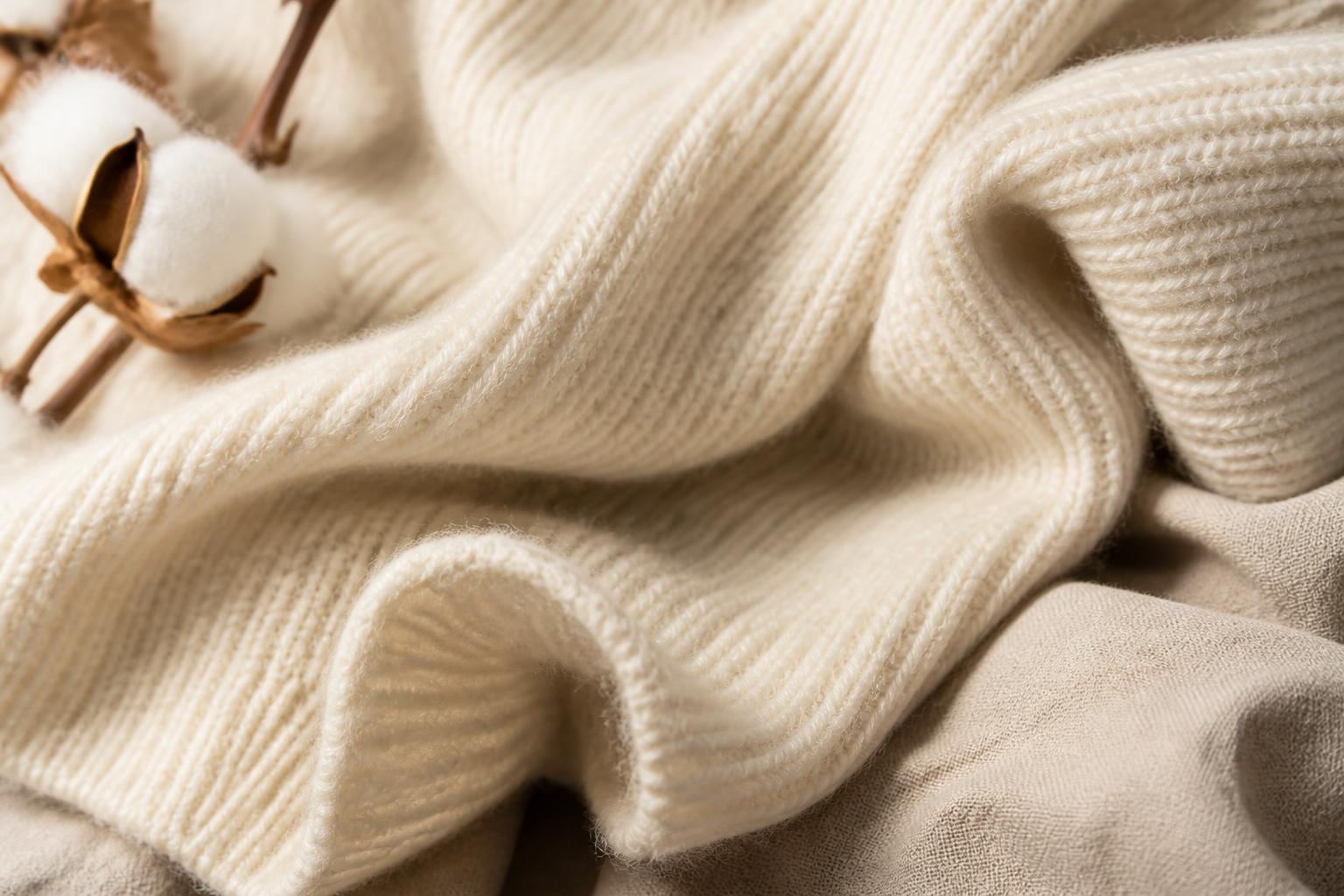
Wool is shaped by performance, heritage and animal welfare concerns. It offers warmth, resilience and repair potential, and it can work well in long-lived knitwear and tailoring. The trade-offs include methane emissions, land use, chemical use in scouring and finishing, and welfare issues such as mulesing in some supply chains. For UK buyers, country of origin matters. Wool from one region is not interchangeable with wool from another if the welfare and land management context differs. The same applies to mohair, alpaca and cashmere. We have looked at this more closely in our guide to whether mohair is ethical for UK fashion buyers.
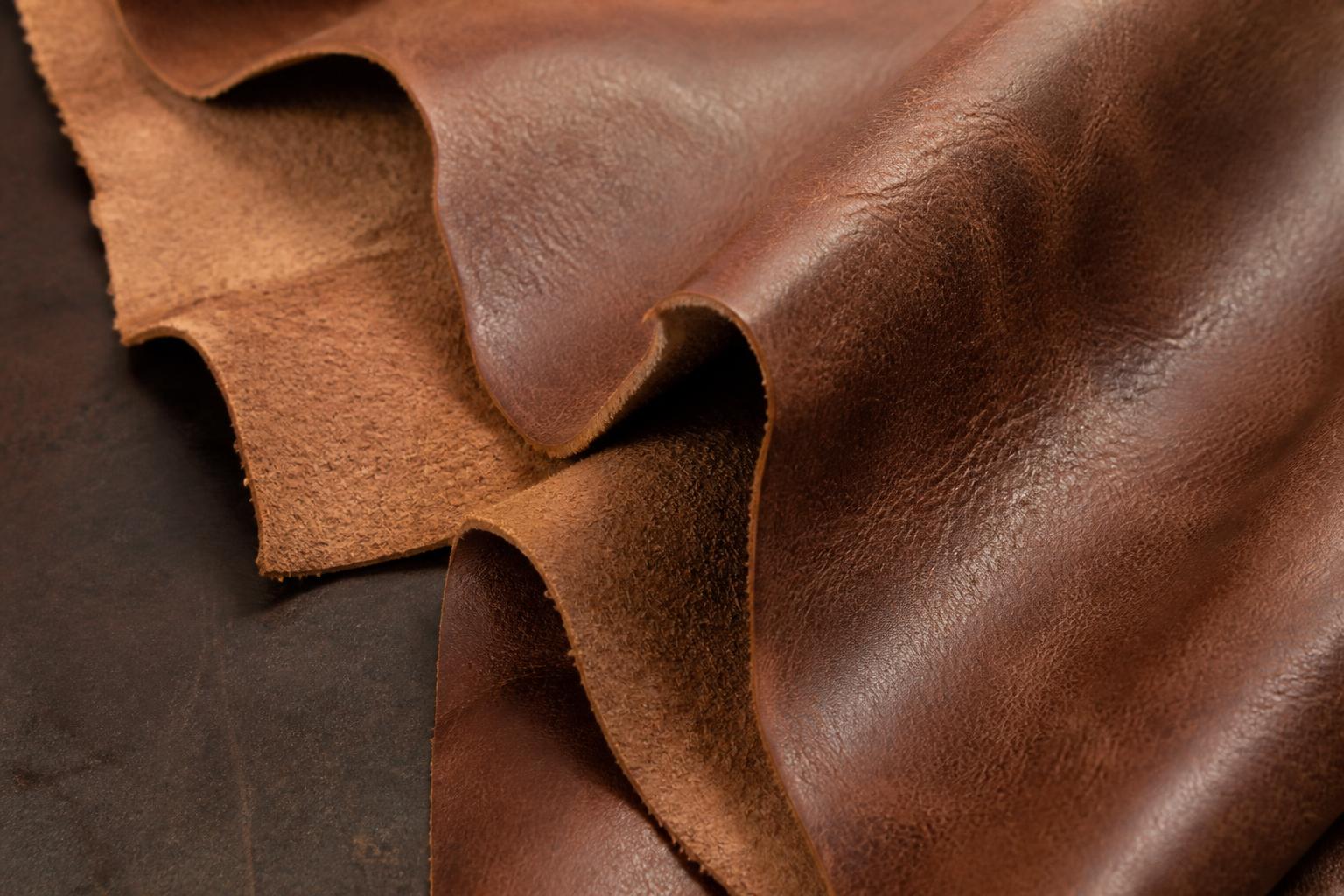
Leather remains one of the hardest materials to assess neatly. Some see it as a by-product of the meat industry, which can make use of an existing waste stream. Others point out that hide value still supports the economics of livestock systems with significant climate and land impacts. Then there is tanning. Chrome tanning dominates globally, and while it can be done safely, the outcome depends on chemical controls, wastewater treatment and worker protections. Vegetable tanning is not automatically cleaner or lower impact, despite the way it is sometimes marketed. As with most materials, the process and the proof matter more than the romance.
Recycled inputs now shape demand across fibres and metals. In textiles, that includes recycled polyester, recycled nylon and mechanically recycled cotton or wool. In jewellery, recycled silver and recycled gold have become common claims. Recycled content can reduce demand for virgin extraction, but the term needs context. Is the claim about pre-consumer waste, post-consumer waste, or a mass balance system? Is it applied to the whole product or just one component? Is there chain-of-custody certification, or only a supplier declaration? Those distinctions often decide whether a claim is robust or merely attractive.
How certification fits into sourcing claims
Certification can be useful, but only if we read the scope carefully. A standard usually verifies a defined set of criteria at a defined stage of the chain. It does not certify everything about a product unless it explicitly says so.
Take fibre standards. Organic certifications can verify farming practices and restricted inputs at agricultural level. They may also include chain-of-custody rules if the finished textile carries the label under that scheme. Recycled content standards can verify that a stated percentage of recycled input has been checked through the supply chain, but they do not automatically prove low toxicity, good wages or product durability. Forest-related certifications can support claims about managed sources for wood-based fibres, but they do not remove the need to ask how the pulp was processed.
Chain-of-custody is where many sourcing claims stand or fall. It is one thing for a spinner or tannery to buy certified input. It is another for the finished garment or piece of jewellery to maintain documented segregation, controlled mixing or a recognised mass balance model through each stage. UK readers will often see broad claims made at brand level when only one material line or one supplier is certified. That is not always deceptive, but it can be misleading if the scope is left vague.
Jewellery creates its own certification issues. A claim about recycled silver does not tell us anything about gemstone origin. A responsible mining standard for gold does not automatically cover plating, solder, packaging or workshop labour conditions. If a brand says a ring is “ethical”, we need to know whether that refers to the metal, the stones, the workshop, or all of the above.
This matters legally as well as ethically. In the UK, environmental claims fall under the Competition and Markets Authority’s Green Claims Code, and the Advertising Standards Authority can act where marketing misleads consumers. Since Brexit, UK businesses should not assume that EU guidance applies in exactly the same way or on the same timetable. EU measures on substantiating green claims and product information may influence the market, especially for brands selling cross-border, but UK readers should look first at the UK rules that are actually in force here.
For brands, the practical lesson is simple. Name the standard. State what it covers. State what it does not cover. If a claim relies on a certificate, keep the transaction documents, scope certificates and product-level evidence in order. If the standard uses mass balance, say so plainly rather than implying physical segregation all the way through.
Why market comparisons are often harder than they look
Comparing materials sounds straightforward until we examine how the comparison was built. Much of the argument in the sustainable fashion market relies on life cycle assessment, or LCA. LCA can be useful, but results change depending on the system boundary, the functional unit, the geography, the assumptions about energy mix, and the way impacts are allocated between co-products.
Cotton is a good example. Water claims often collapse blue water, green water and local water stress into one headline. A kilo of cotton grown in one region under irrigation pressure is not equivalent to a kilo grown in a rain-fed system. Leather presents a different challenge. If cattle are raised primarily for meat and hides are treated as a by-product, the allocation of impacts to leather changes the result substantially. Wool and dairy-linked fibres raise similar allocation questions.
Even climate comparisons need care. A fibre with a lower cradle-to-gate footprint may perform worse in durability, laundering needs or end-of-life options. A synthetic fleece may last well but shed microfibres. A delicate viscose blouse may use less land than wool, but wear out faster and resist recycling if blended. A heavy cotton tote can score badly if used only a few times, despite the cultural assumption that cotton equals good and plastic equals bad.
Chemical claims are another area where comparisons become slippery. “Chemical free” is not a meaningful statement in textiles or jewellery. All materials involve chemistry. The relevant questions are which substances are used, in what process, under what controls, with what wastewater treatment, and with what residual restrictions in the finished product. Restricted substances lists, wastewater testing and facility-level management can tell us more than a broad natural-versus-synthetic argument.
Regional differences matter throughout. Energy grid intensity, wastewater regulation, labour enforcement, drought risk, grazing systems and deforestation pressure all vary by country and sometimes within countries. If a claim does not identify geography, it may be hiding a major variable. That is one reason sweeping rankings of “the most sustainable fabric” tend to mislead.
For readers who want to sharpen their eye for overconfident marketing, our piece on how to spot greenwashing risk in fashion claims is a useful companion to any material comparison.
What UK readers and small brands should check before trusting a claim
Start with the exact wording. “Made with recycled materials” is not the same as “made from 100 per cent recycled fibre”. “Responsibly sourced” is not the same as “traceable to farm” or “certified recycled”. If the statement is broad and the evidence is narrow, treat that as a warning sign.
Next, ask what level of the product the claim applies to. In clothing, is it the shell fabric only, or also the lining, thread, trims and packaging? In jewellery, is it the precious metal only, or also the gemstone, plating and findings? Brands often rely on the strongest component and let it colour the whole product description.
Then check traceability. A credible claim should be anchored in documents, not mood boards. For textiles, that may include scope certificates, transaction certificates, test reports, bills of materials and supplier declarations tied to purchase orders. For jewellery, it may include recycled metal certificates, assay information, supplier statements on origin, and records for stones and plating. Small brands do not need a huge compliance department, but they do need a filing system that links a public claim to specific evidence.
Recycled content deserves special attention. Ask whether the content is pre-consumer or post-consumer. Ask whether the claim is based on physical segregation or mass balance. Ask whether the whole product contains that percentage or only one part. If the answer is buried or evasive, the marketing is running ahead of the sourcing.
Responsible sourcing claims should also be broken into categories. Environmental management, labour standards, animal welfare and land use are not interchangeable. A wool standard may address one set of concerns well and another only lightly. A recycled gold claim may avoid fresh mining for that batch of metal, but it says nothing about gemstone cutting conditions. A leather claim focused on tanning chemistry may still leave hide origin unanswered.
For UK shoppers, it is also worth checking whether the brand explains the limits of its own statement. The most trustworthy brands usually do. They say, in effect, this product uses certified organic cotton in the main fabric, but the elastane content and some trims are not certified. Or, this ring is made from recycled sterling silver, but the gemstone origin is mixed and not traceable to mine. Those admissions do not weaken credibility. They strengthen it.
Small brands should build claims from the evidence outward, not the other way round. Do not start with “sustainable” and then search for proof. Start with what you can document. For example, “main fabric contains certified recycled polyester”, “wool sourced from non-mulesed farms”, or “ring cast in recycled silver with lab-grown stone” are all narrower and more defensible than a blanket ethical promise.
Finally, look for consistency across the business. If a brand makes strong material claims but says nothing about overproduction, repairs, care guidance or product lifespan, the story may be incomplete. Material choice is central to the sustainable fashion market, but it is not the whole market. Better sourcing should sit alongside better design, clearer disclosure and fewer exaggerated promises.
If you want to get better at reading those promises, our guides on how to judge luxury fashion brands without vague claims and the greenwashing traps fashion shoppers should spot will help you separate evidence from atmosphere.
The UK market does not need simpler slogans about good and bad materials. It needs more precise questions, better records and more honest boundaries around what a claim actually covers. That is how readers make better choices, and how smaller brands avoid repeating the same vague language that has made this market harder to trust.

Questions about this article or a correction to suggest? Get in touch. Read more about our editorial approach.